By Mohamed Ismail Kamara, MPH
Executive Director EcoProbe Africa Initiatives
The Netherlands
Email: ecoprobeafrica@gmail.com
When Home Offers No Escape from the Heat
Imagine returning home after a long day in Freetown, hoping for a peaceful night’s rest. Instead, you enter a room that has absorbed hours of heat through its zinc roof. The air feels heavy, ventilation is poor, and without reliable electricity, even a fan may not be available.
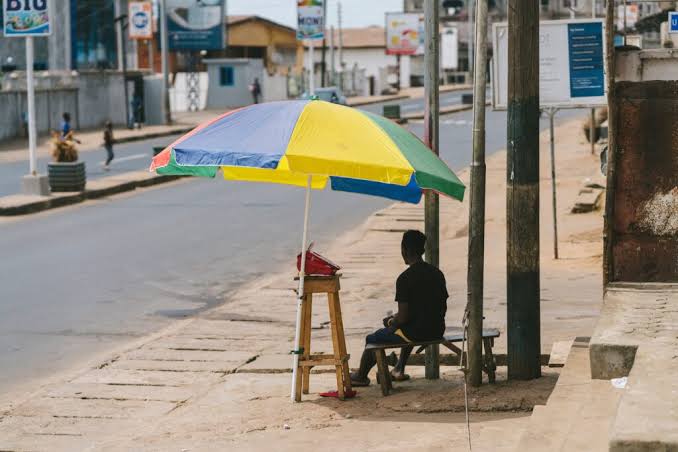
For residents of some of Freetown’s informal settlements, these conditions are familiar.Research published in Climatic Change documented extreme heat exposure in Freetown, including uncomfortable indoor conditions and limited access to cooling (Sovacool, 2025).
Extreme heat is more than an inconvenience. It is a recognised public health hazard, particularly for people living with chronic illnesses.
What happens when prolonged heat exposure intersects with Sierra Leone’s substantial burden of noncommunicable diseases?
Extreme Heat and Noncommunicable Diseases
Sierra Leone continues to face significant challenges from infectious diseases and limited healthcare resources. However, noncommunicable diseases (NCDs) also represent a major health concern.
According to World Health Organization estimates, NCDs accounted for approximately 34.5% of deaths in Sierra Leone in 2021.
These conditions include cardiovascular diseases, diabetes, cancer and chronic respiratory diseases. Chronic kidney disease is another important health concern.
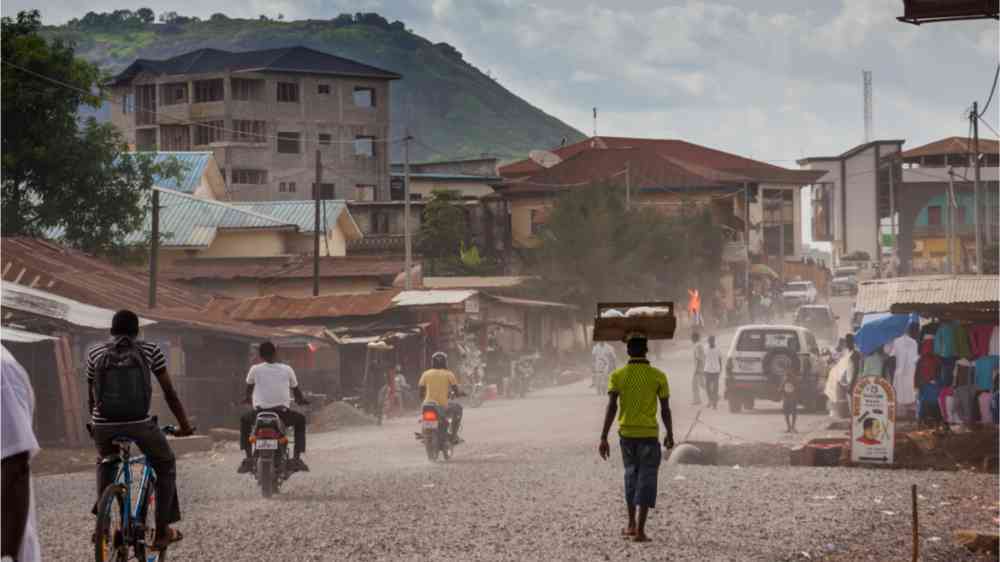
Scientific evidence indicates that extreme heat can worsen several existing chronic conditions. Although heat has not been established as a cause of Sierra Leone’s NCD burden, it represents an additional environmental risk that deserves attention in disease prevention and healthcare planning.
What Does the Scientific Evidence Tell Us?
Cardiovascular Health
Extreme heat increases cardiovascular strain as the body attempts to regulate its temperature. Blood vessels widen, the heart works harder, and sweating can cause dehydration.
A systematic review and meta analysis by Liu and colleagues (2022), published in The Lancet Planetary Health, examined 282 studies. The researchers found that each 1°C increase in temperature was associated with approximately a 2.1% increase in cardiovascular mortality risk. Associations were also identified with coronary heart disease and stroke.
Although these findings come from international studies, they highlight the importance of protecting people with existing cardiovascular conditions during periods of extreme heat.
Kidney Health
Prolonged heat exposure can cause excessive fluid loss, reducing blood flow to the kidneys and potentially contributing to acute kidney injury.
A 2025 review published in Seminars in Nephrology by Nguyen and colleagues identified evidence linking environmental heat exposure with acute kidney injury. Repeated heat stress may also contribute to chronic kidney disease, although the long term causal relationship remains under investigation.
Kidney disease is already an important health concern in Sierra Leone.
A 2022 study at Connaught Hospital in Freetown reported that kidney related conditions accounted for 2.7% of hospital admissions during the study period. Hypertension and diabetes were identified as common risk factors among patients with chronic kidney disease.
A subsequent study published in 2026 examined 385 adults admitted with chronic kidney disease between 2022 and 2024.
These studies document kidney disease among hospitalised patients but do not establish whether cases are increasing across Freetown or whether heat exposure contributes to the observed burden.
Could prolonged heat exposure be an underrecognised contributor to kidney injury in Freetown?
This question requires further investigation alongside established risk factors such as hypertension and diabetes.
Diabetes and Respiratory Diseases
The World Health Organization recognises that extreme heat can worsen diabetes and certain respiratory conditions.
A 2025 systematic review by Siddiqui and colleagues examined heat exposure in low and middle income countries. The researchers found that each 1°C temperature increase was associated with a 4.1% increase in respiratory mortality risk across the studies analysed.
These findings reinforce the importance of considering environmental exposure when protecting people living with chronic illness.
Why Freetown Deserves Attention
Freetown faces particular challenges because housing conditions, ventilation and access to cooling differ considerably between communities.
Sovacool’s (2025) research examined heat vulnerability in informal settlements and explored reflective roofing as a potential cooling intervention.
Although the study documented heat exposure challenges, it did not establish the incidence of cardiovascular disease, kidney injury or heat related mortality. This distinction is essential. Scientific evidence demonstrates that extreme heat can harm human health, while local research documents difficulties managing heat exposure.
What remains unclear is how much this exposure contributes to specific health outcomes in Sierra Leone.
Connecting Climate Action with NCD Prevention
Freetown City Council has taken steps to address extreme heat.
Its 2025 Heat Action Plan outlines measures to strengthen preparedness, public awareness and community protection. In July 2026, the council also reported training 35 frontline healthcare professionals to improve recognition and management of heat related illnesses. These initiatives provide opportunities to integrate climate adaptation with NCD prevention.
Healthcare professionals could consider relevant heat exposure when assessing patients with cardiovascular disease, diabetes or kidney conditions.
Community education could emphasise warning signs, appropriate hydration and timely medical attention.
Urban planning could prioritise improved ventilation, shaded public spaces, access to safe drinking water and affordable cooling solutions.
These measures require monitoring and evaluation to determine their effectiveness.
Why Sierra Leone Needs More Local Research
Most evidence linking extreme heat with cardiovascular and kidney conditions comes from research conducted outside Sierra Leone. Local studies are therefore essential to establish the extent of these risks.
Research should investigate whether higher temperatures are associated with increased hospital presentations for cardiovascular illness and acute kidney injury. Further studies should examine occupational heat exposure, housing conditions and the vulnerability of people living with NCDs.
Reliable data collected over time are also needed to determine whether kidney disease is becoming more common in Freetown and identify its contributing factors. Such evidence could inform targeted prevention strategies and strengthen climate resilient healthcare.
A Public Health Responsibility We Cannot Ignore
Climate change is frequently discussed through rising temperatures, environmental projections and international commitments. However, its consequences for human health deserve equal attention.
Scientific evidence links extreme heat with adverse cardiovascular outcomes and acute kidney injury. People living with certain chronic diseases are particularly vulnerable. For Freetown, documented challenges involving indoor heat and limited cooling options make these concerns especially relevant.
Sierra Leone’s existing NCD burden provides another reason to understand and address potentially preventable environmental health risks.
We need stronger disease surveillance, locally relevant research, informed healthcare professionals and practical interventions that reach vulnerable communities. Freetown’s challenge is not simply to become a cooler city. It is to become a healthier and more resilient city.
Protecting people from extreme heat is also part of protecting their hearts, their kidneys and their ability to live healthier lives.
The heat may be silent, but the scientific evidence demands our attention.