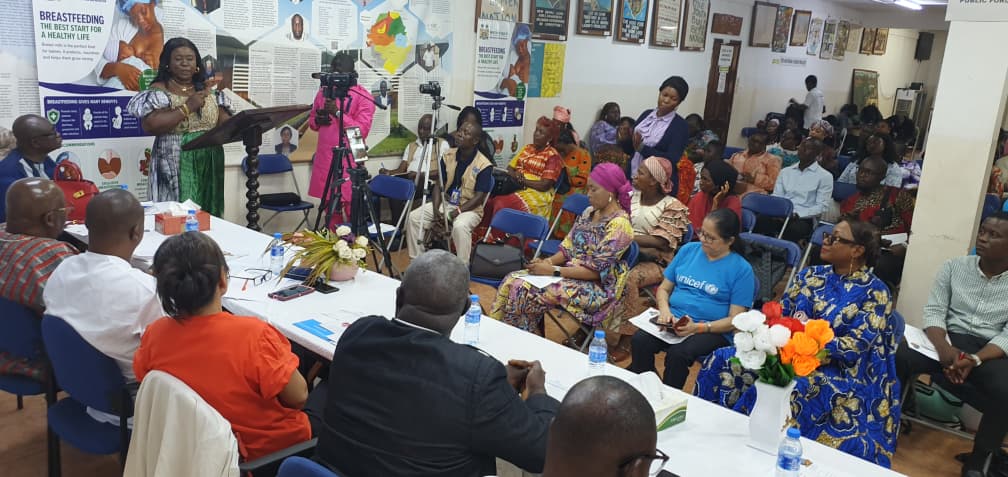
The Government of Sierra Leone, through the Ministry of Health and the Directorate of Food and Nutrition, has renewed its commitment to protecting, promoting and supporting breastfeeding as a critical intervention for improving child survival, reducing malnutrition and strengthening national development.
The commitment was reaffirmed during the commemoration of World Breastfeeding Week 2026, observed annually from 1 to 7 August, under the theme: “Breastfeeding for a Sustainable Start in Life: Strengthening What Works.”
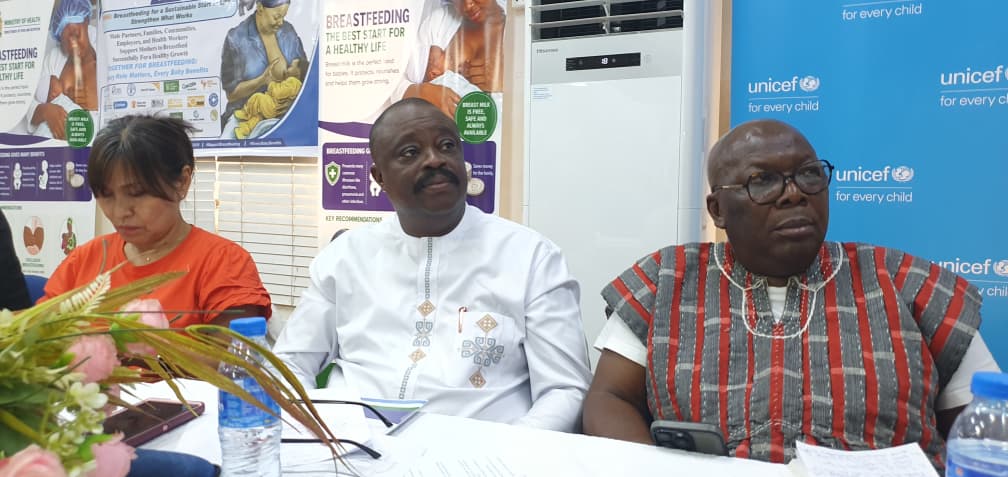
The event brought together senior government officials, representatives of the Ministry of Health, development partners, health professionals, civil society organizations, community leaders, media practitioners, mothers, fathers and other stakeholders.
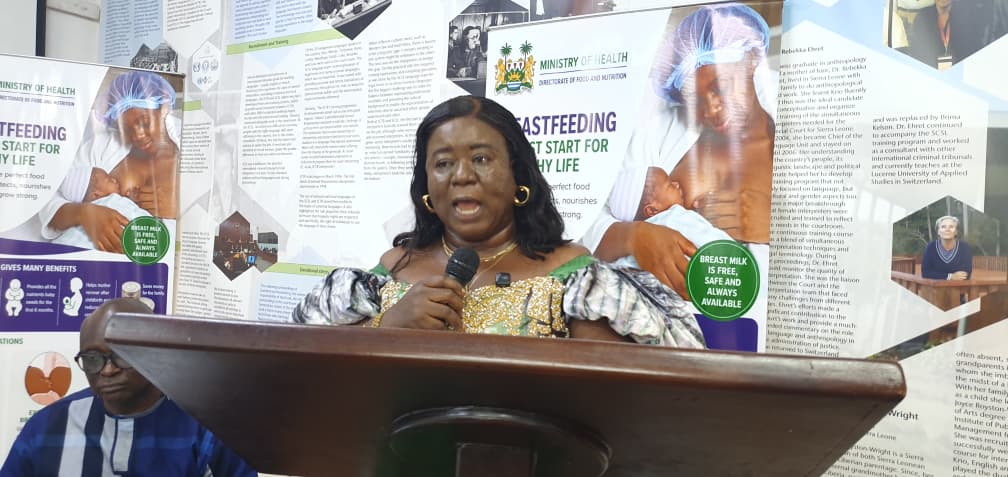
In his opening remarks, Dr. Philip Kargbo welcomed participants and commended women across Sierra Leone who continue to advocate for the rights and well-being of mothers and children while promoting the life-saving benefits of breastfeeding.
He expressed appreciation to UNICEF, the Ministry of Health, the Directorate of Food and Nutrition, health professionals, development partners and other stakeholders for their continued support for maternal, infant and young child nutrition.
Dr. Kargbo said the theme was a powerful call to action and a reminder that Sierra Leone’s health, well-being and future development depend significantly on how children are nourished during the first 1,000 days of life.
“Breastfeeding is a great equaliser,” he said. “It promotes food security, protects newborns against life-threatening infections and provides a strong foundation for healthy growth and cognitive development.”
He noted that the Ministry of Health, through the Directorate of Food and Nutrition and with support from development partners, has made significant progress in promoting optimal infant and young child feeding practices.
According to the 2021 Sierra Leone National Nutrition Survey, the rate of early initiation of breastfeeding within one hour of birth increased from 56.8 percent in 2017 to 89 percent in 2021. The exclusive breastfeeding rate among infants under six months also reached 52.7 percent, surpassing the World Health Organization’s global target of 50 percent.
Dr. Kargbo said the achievements demonstrate that investments in breastfeeding promotion, protection and support are producing positive results. However, he stressed that further action is needed to ensure that every child receives the best possible start in life. He highlighted progress in expanding community-based nutrition services, strengthening counselling for mothers, improving maternal and child health services and increasing awareness of the importance of exclusive breastfeeding during the first six months of life. He called for continued investment in skilled breastfeeding counselling, baby-friendly health facility practices, community nutrition programmes, maternity protection policies and family support systems.
The campaign, he said, also aligns with President Dr. Julius Maada Bio’s 300 Days of Activism to End Preventable Maternal and Child Deaths, particularly efforts to achieve zero preventable maternal deaths, zero preventable child deaths and zero-dose children.
Dr. Kargbo emphasised that nutrition is central to achieving these objectives because malnutrition remains an important underlying factor in many infant and child deaths.
He said exclusive breastfeeding during the first six months of life provides an important defence against infant malnutrition, illness and mortality.
The Ministry of Health, through the Directorate of Food and Nutrition, will continue nationwide awareness campaigns, community engagement activities, health education programmes, media discussions and advocacy initiatives to promote breastfeeding across all 16 districts.
“Investing in breastfeeding is an investment in human capital, food security, environmental sustainability and national development,” Dr. Kargbo said.
“When we support breastfeeding, we contribute to healthier children, stronger families, more productive communities and a brighter future for Mama Salone.”
He encouraged all citizens to become advocates for breastfeeding and reaffirmed his personal commitment to supporting the health and well-being of mothers and children across Sierra Leone.
Delivering the keynote address on behalf of the Chief Medical Officer, Dr. Saty Kenne, the Ministry of Health representative said the Government stands with mothers and families throughout Sierra Leone in promoting optimal infant and young child feeding.
The Chief Medical Officer was unable to attend the event due to a family bereavement.
The representative described the phrase “Strengthening What Works” as particularly important, noting that successful interventions should be improved, expanded and sustained.
He said the health, wealth and future of Sierra Leone begin with how children are nourished during their first 1,000 days of life.
The Ministry representative described breastfeeding as a powerful intervention that promotes food security, protects infants from life-threatening infections and supports healthy growth and cognitive development. He said the progress recorded in early initiation and exclusive breastfeeding demonstrates the positive impact of investments in nutrition services and breastfeeding support.
However, he stressed that Sierra Leone must continue setting ambitious national targets while aligning with international health standards. “Global targets provide important guidance, but as a country, we must also establish standards that reflect our national priorities and aspirations,” he said.
The representative called for stronger collaboration among the Ministry’s directorates, particularly between the Directorate of Food and Nutrition and other health programmes.
He also appealed to District Medical Officers to work closely with nutrition teams and community health workers to identify children at nutritional risk and provide mothers and caregivers with accurate information on infant and young child feeding.
He urged health authorities to use data to identify preventable causes of child deaths and guide targeted interventions at community level.
“A healthy population is the foundation of a prosperous nation,” he said. UNICEF Commends Sierra Leone’s Progress The UNICEF Representative in Sierra Leone commended the Government for making significant progress in promoting exclusive breastfeeding and strengthening policies that protect maternal, infant and young child nutrition.
Speaking during her first media engagement in Sierra Leone since arriving in the country, the UNICEF Representative said she was pleased that the engagement focused on an issue central to child survival, nutrition and national development.
She described breastfeeding as one of the most effective and affordable interventions for protecting children’s health and building a stronger future. “Breastfeeding gives every child the best start in life,” she said. “It protects babies from illness, reduces malnutrition, supports brain development and improves survival and lifelong health.” She added that breastfeeding also supports mothers’ recovery and well-being. The UNICEF Representative praised Sierra Leone for surpassing the World Health Organization’s 2025 target for exclusive breastfeeding and highlighted the country’s progress in early initiation of breastfeeding.
She also commended Sierra Leone’s policy leadership through the Breast Milk Substitutes Act of 2021 and its high level of alignment with the International Code of Marketing of Breast-milk Substitutes.
She noted that regulating the marketing of breast-milk substitutes can be challenging because of commercial pressures and congratulated the Government and its partners for their achievements.
However, she warned against complacency, noting that some infants under six months are still given water in addition to breast milk. She stressed that babies under six months do not require water because breast milk provides the nutrition and hydration needed.
The UNICEF Representative said breastfeeding can be challenging, particularly for first-time mothers, and called for greater recognition of the effort and support required for successful breastfeeding.
She identified four key areas for strengthening breastfeeding support: health facilities, childbirth and delivery services, workplaces, and communities and families. She called for skilled and respectful counselling in health facilities, early initiation of breastfeeding after birth, and the expansion of baby-friendly health facility practices. The UNICEF Representative also urged government institutions and private-sector organisations to establish breastfeeding-friendly workplaces.
She said employers could support working mothers by providing private spaces for expressing breast milk, appropriate breastfeeding breaks and safe facilities for storing expressed milk.
“Breastfeeding is not only a mother’s responsibility,” she said. “It is a shared responsibility at home, in the health system, in the workplace and across society.”
She called on policymakers to keep breastfeeding high on the national agenda through strong policies, adequate financing and accountability.
Health workers were encouraged to provide clear, practical and respectful guidance, while the media was urged to promote accurate information, challenge misconceptions and keep breastfeeding visible as a public-health and development priority.
CHAMPS Highlights Nutrition’s Role in Preventing Child Deaths Representing the Child Health and Mortality Prevention Surveillance project, known as CHAMPS Sierra Leone, Solomon Ibaroku commended the Ministry of Health and the Directorate of Food and Nutrition for their commitment to improving maternal, newborn and child nutrition.
He represented the project’s Director, Dr. Ikechukwu Oguamu, who was unable to attend due to official engagements outside the country.
Mr. Ibaroku described breastfeeding as one of the most effective and cost-efficient interventions for improving child survival.
He said breastfeeding provides optimal nutrition, strengthens immunity, supports early growth and brain development, and reduces the risk of common childhood illnesses, including diarrhoea and pneumonia. He added that breastfeeding provides important health benefits for mothers and contributes to healthier birth spacing.
Mr. Ibaroku explained that CHAMPS works to understand why children under five die in Sierra Leone and to generate evidence that can support action to prevent those deaths.
Findings from the project’s surveillance activities over the past several years, he said, have consistently shown that malnutrition remains an important underlying factor in many child deaths.
Even when children die from infections such as pneumonia or diarrhoeal diseases, poor nutritional status can increase their vulnerability and worsen health outcomes.
He stressed that exclusive breastfeeding during the first six months, followed by continued breastfeeding alongside appropriate complementary feeding, remains one of the strongest foundations for child survival.
“Breastfeeding is not only a nutrition intervention; it is a life-saving public-health intervention,” he said.
Food Demonstration Intervention Shows Encouraging Results
Mr. Ibaroku called on families, communities, employers, health workers, policymakers, development partners and the media to create an environment in which mothers receive the support needed to breastfeed successfully.
He also highlighted a recent CHAMPS food demonstration intervention in selected communities in Bo and Bombali districts, targeting children aged six to 23 months experiencing moderate acute malnutrition.
The intervention promoted the preparation of nutritious complementary meals using locally available, affordable and culturally acceptable foods.
Caregivers were provided with practical knowledge and skills on infant and young child feeding.
According to Mr. Ibaroku, the intervention produced encouraging improvements in the nutritional status of participating children.
He said the findings demonstrate that, with appropriate knowledge, community engagement and effective use of locally available foods, moderate acute malnutrition can be addressed successfully in many cases without relying solely on specialised therapeutic foods.
The comprehensive report on the intervention is being finalised and will be shared with the Ministry of Health, development partners and other stakeholders.
Mr. Ibaroku called on all stakeholders to become champions for breastfeeding. “Every child deserves the best possible start in life,” he said.
A representative of Helen Keller International reaffirmed the organisation’s commitment to working with the Ministry of Health, the Government of Sierra Leone and development partners to strengthen sustainable breastfeeding support systems.
The representative said protecting, promoting and supporting breastfeeding requires collective action by government, development partners, health workers, communities, families, employers and the media.
Breastfeeding, the organisation noted, remains one of the most effective and cost-efficient interventions for improving child health and nutrition.
It supports healthy growth and development, strengthens immunity and reduces the risk of malnutrition and childhood illness.
The representative added that breastfeeding contributes to improved health outcomes for mothers and strengthens the foundation for healthier families and communities.
Helen Keller International reaffirmed its commitment to supporting systems that enable mothers to breastfeed successfully and help children survive, grow and thrive
Stakeholders also called on media organisations and journalists to promote accurate, evidence-based information on breastfeeding.
They said responsible reporting can help challenge myths and misinformation, including the misconception that babies under six months require water in addition to breast milk.
Health professionals reiterated that breast milk provides the nutrition and hydration required by infants during the first six months of life.
Families and caregivers were encouraged to seek guidance from qualified health workers when making decisions about infant feeding.
Participants also warned that harmful or misleading marketing of breast-milk substitutes can undermine confidence in breastfeeding and influence families to introduce substitutes unnecessarily.
They called for stronger protection of families from inappropriate marketing practices and continued enforcement of laws and regulations governing the promotion of breast-milk substitutes.
The event concluded with a renewed call for collective action to protect, promote and support breastfeeding at home, in health facilities, workplaces, communities and across the media.
Stakeholders agreed that stronger support for breastfeeding would improve child nutrition, reduce preventable illness and deaths, strengthen families and contribute to a healthier and more prosperous Sierra Leone.