Why Long-Term Leadership Matters in Building an Energy-Secure Future
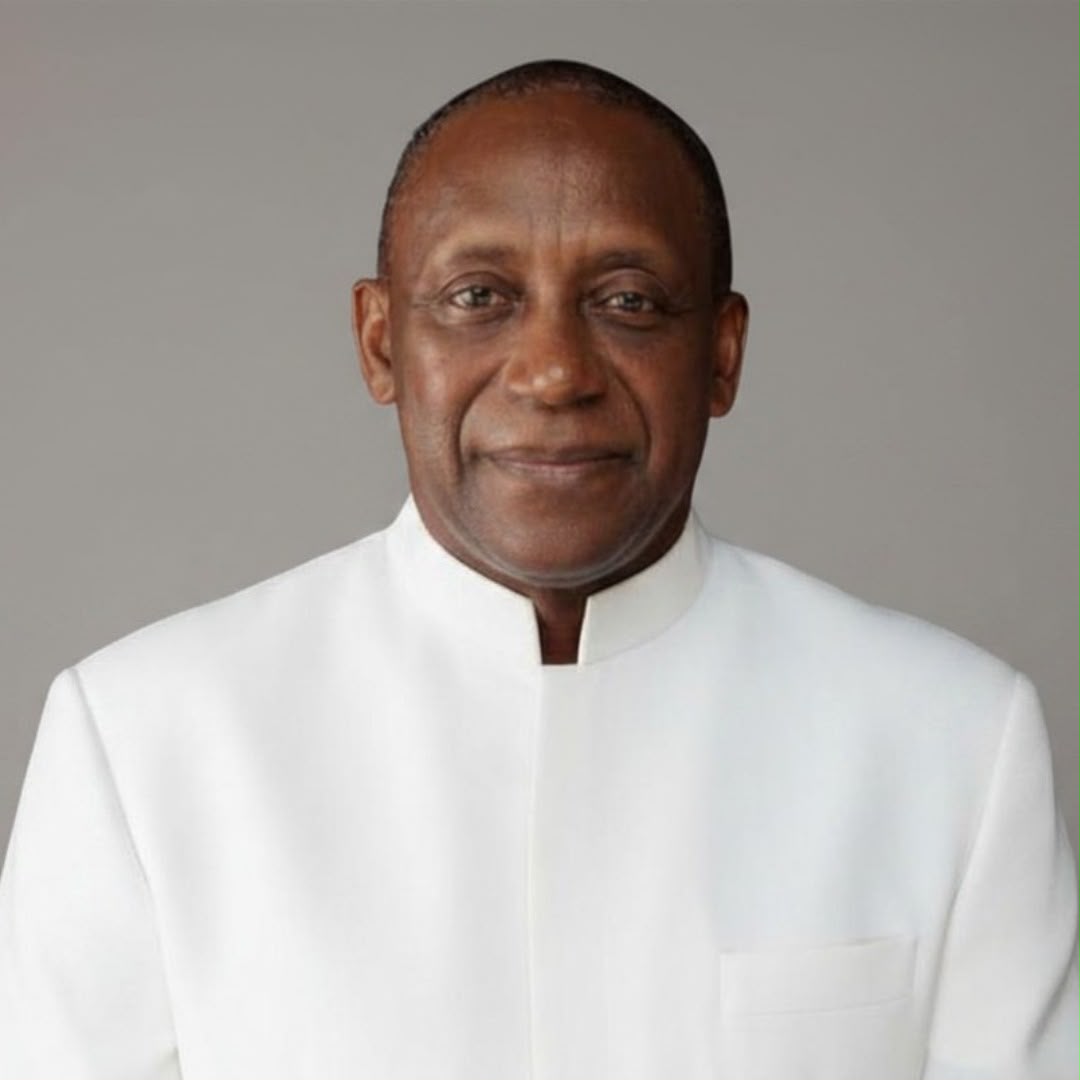
Written by: Hon. Dr. Kandeh K. Yumkella
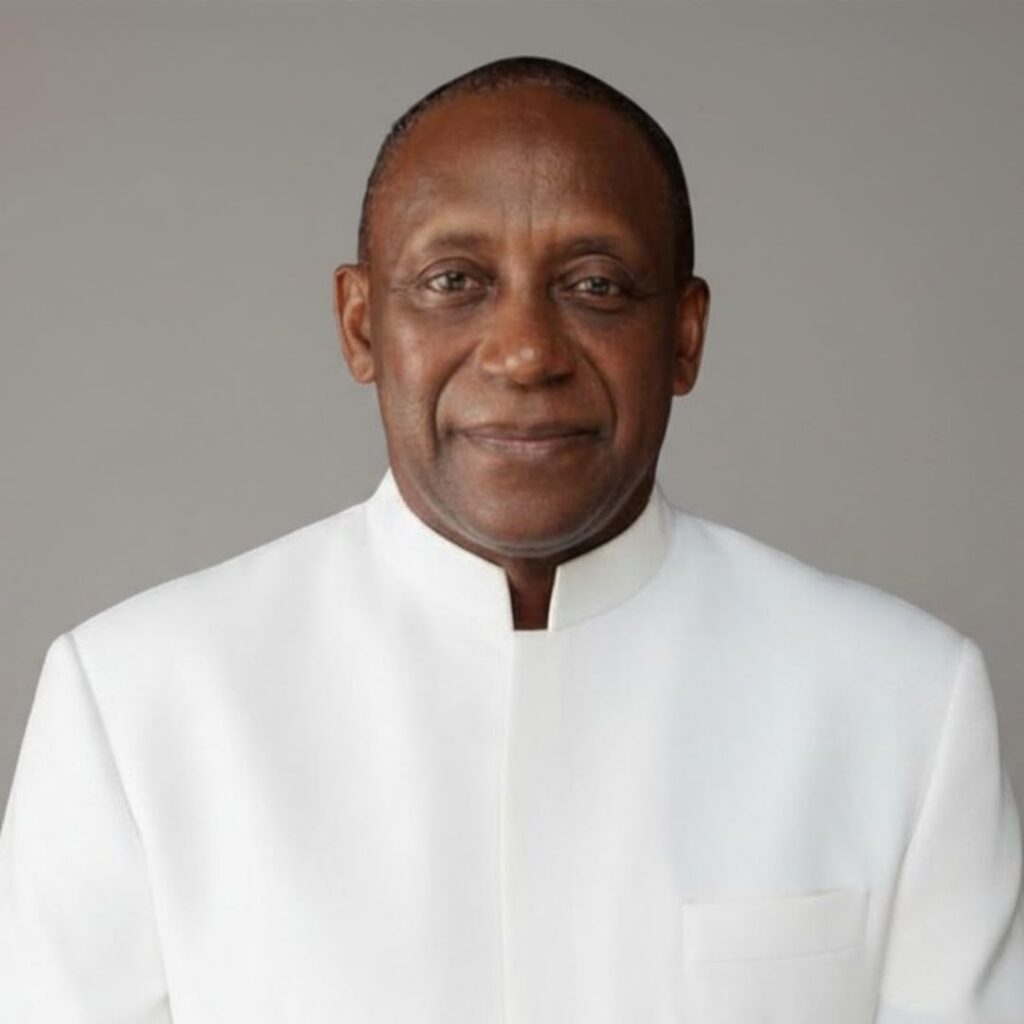
Chair, Presidential Initiative on Climate Change, Renewable Energy and Food Security (PI-CREF); Special Envoy for the West Africa Integration and Investment Summit (WAIIS); Former Director-General of the United Nations Industrial Development Organization (UNIDO) and United Nations Under-Secretary-General.
Every evening, millions of Sierra Leoneans still plan their lives around electricity. Businesses close early. Students struggle to study. Hospitals rely on generators. Changing that reality is one of our country’s greatest development challenges
There is one lesson that history teaches over and over again: no country has achieved sustained economic transformation without reliable, affordable and sustainable energy.
Whether we look at Europe after the Industrial Revolution, the rapid rise of East Asia, or the remarkable progress of countries closer to home, the pattern is unmistakable. Electricity powers factories, irrigates farms, enables digital innovation, strengthens healthcare, improves education and creates jobs. It is not simply another public service—it is the foundation upon which modern economies are built.
For Sierra Leone, therefore, the question has never been whether we can afford to invest in energy. The real question is whether we can afford not to.
That conviction lies at the heart of Sierra Leone’s Energy Transition Agenda.
Leadership Means Looking Beyond Today’s Crisis
When President Julius Maada Bio began his second term in 2023, he made an important choice. Rather than allowing the energy sector to remain trapped in a cycle of emergencies and short-term fixes, he committed the country to a long-term strategy.
At the first National Climate Resilience and Energy Transition (CRET) Dialogue in October 2023, the President launched the Sierra Leone Energy Transition Agenda. It was more than the unveiling of another government programme. It was a recognition that transforming an energy sector requires patience, consistency and a willingness to make investments whose greatest benefits will be enjoyed years into the future.
Energy transitions do not happen in one budget cycle or within a single political season. They require stable policies, capable institutions, strong partnerships and sustained leadership.
Above all, they require persistence.
Three Years Later, the Results Are Beginning to Speak for Themselves
When I addressed Parliament in November 2025, I expressed my belief that 2026 would mark the beginning of Sierra Leone’s energy revolution.
Today, that vision is beginning to take shape.
In June this year, President Bio commissioned Sierra Leone’s first utility-scale solar power plants in Newton and Lungi. These projects are more than engineering achievements. They represent a shift toward cleaner, more affordable and more reliable electricity while strengthening power supply to Freetown and surrounding communities.
Across rural Sierra Leone, another transformation is quietly unfolding. Through the European Union-supported Salone Off-Grid Renewable Energy Access (SOGREA) Programme, nearly 100 communities are preparing to receive modern mini-grids. For many families, electricity will arrive not as a luxury, but as an opportunity—for children to study after dark, health centres to provide better care, farmers to add value to their harvests and entrepreneurs to build businesses that were previously impossible.
Another significant milestone came with the World Bank’s approval of the US$60 million Decentralized Renewable Energy Access Scale-up (DARES) Programme. Together with Sierra Leone’s Millennium Challenge Corporation Compact and our participation in Mission 300—the joint World Bank and African Development Bank initiative to connect 300 million Africans to electricity by 2030—these investments will dramatically expand access to electricity across the country.
Taken together, these are not isolated projects. They are pieces of a carefully designed national strategy.
Energy Is About People, Not Just Power
Discussions about electricity often become conversations about megawatts, transmission lines and generation capacity.
Those numbers matter.
But they are not the reason we invest.
The true measure of success is what electricity makes possible.
Reliable power allows a farmer to process cassava instead of selling it raw. It enables manufacturers to operate competitively. It keeps medicines refrigerated, allows hospitals to save lives and gives students the chance to study after sunset. It provides the confidence that investors need before building factories and creating jobs.
In other words, energy policy is really economic policy.
Our ambition is not simply to build more power plants.
It is to build a more productive, competitive and prosperous Sierra Leone.
Building an Energy-Secure Future
The pipeline of projects now under implementation is among the most ambitious in our nation’s history.
It includes the completed solar facilities at Newton, Lungi and Makoth; rehabilitation of the Kingtom and Blackhall Road power stations; the Innovent solar project at Waterloo; the Nant gas-fired power plant; the Kamakwie solar project; and the expansion of the Bumbuna Hydroelectric Project.
Alongside these grid investments are decentralized solutions that will reach communities where extending the national grid would otherwise take years. The SOGREA programme, existing World Bank mini-grid projects and the newly approved DARES initiative will together bring electricity to well over one million Sierra Leoneans.
By mid-2027, electricity available to Greater Freetown is expected to increase dramatically as Newton, Waterloo and the first phase of the Nant power project come fully online. Looking further ahead, renewable energy is expected to account for approximately 50 percent of Sierra Leone’s electricity generation by 2030.
Equally important, under the Mission 300 Compact, Sierra Leone aims to increase national electricity access from approximately 36 percent today to nearly 78 percent by 2030.
These are ambitious targets.
But unlike many development aspirations, they are backed by real projects, committed financing and clear implementation plans.
Partnerships Make Transformation Possible
No country makes an energy transition alone.
Sierra Leone’s progress has been possible because of strong partnerships with the World Bank, the African Development Bank, Sustainable Energy for All (SEforALL), the European Union, the Governments of Germany and Denmark, the Millennium Challenge Corporation, BADEA, the OPEC Fund, JICA, government of China and many others.
Just as encouraging is the growing confidence of private investors, who increasingly see Sierra Leone as a country committed to reform and long-term planning.
That combination—political leadership, development finance and private investment—is exactly what successful energy transitions require.
The Work Is Far From Finished
While we celebrate progress, we should also acknowledge the work that still lies ahead.
Transmission and distribution networks must continue to expand. Utilities must become more efficient and financially sustainable. Regulatory reforms must continue. Private investment must accelerate. Above all, electricity must become affordable and accessible in every district, every chiefdom and every community.
An energy transition is not an event.
It is a journey.
Beyond Energy
In the years ahead, we should judge our success not simply by the number of megawatts we install, but by the opportunities those megawatts create.
Success will be measured by factories that open because reliable electricity is available; by young people who find meaningful jobs; by farmers who process and market their produce locally; by entrepreneurs who build thriving businesses; by hospitals that save more lives; and by schools that prepare a generation ready to compete in a modern economy.
That is the true promise of the Energy Transition Agenda.
Reliable electricity is not the destination. It is the foundation.
President Bio’s Energy Transition Agenda is laying that foundation. The journey will require patience, partnership and continued commitment. Challenges will undoubtedly arise, but the direction is now clear.
Sierra Leone’s energy transition is no longer a distant aspiration.
It is underway.
It is producing measurable results.
And if we sustain this momentum, it has the potential to become one of the defining development success stories of our generation.