On 16 June 2026, Sierra Leone joins countries across Africa to commemorate the Day of the African Child under the theme: “Ensuring universal access to water, sanitation and hygiene for every child in Africa.”
This year’s theme shines a spotlight on one of the most basic yet essential foundations for every child’s survival, dignity and future: access to safe water, sanitation and hygiene (WASH).
In Sierra Leone, progress has been made over the past decade. Access to basic drinking water in rural areas increased from 38.2 per cent in 2010 to 54 per cent in 2022, while urban access rose from 72.9 per cent to nearly 80 per cent during the same period. Open defecation has also declined in both rural and urban communities.
Yet too many children still grow up without safe water, decent sanitation or a place to wash their hands. Major inequalities persist between urban and rural communities, leaving many children exposed to preventable disease and unsafe living conditions. Access to basic handwashing services remains critically low, especially in rural areas, where only 15.3 per cent of households had access in 2022.
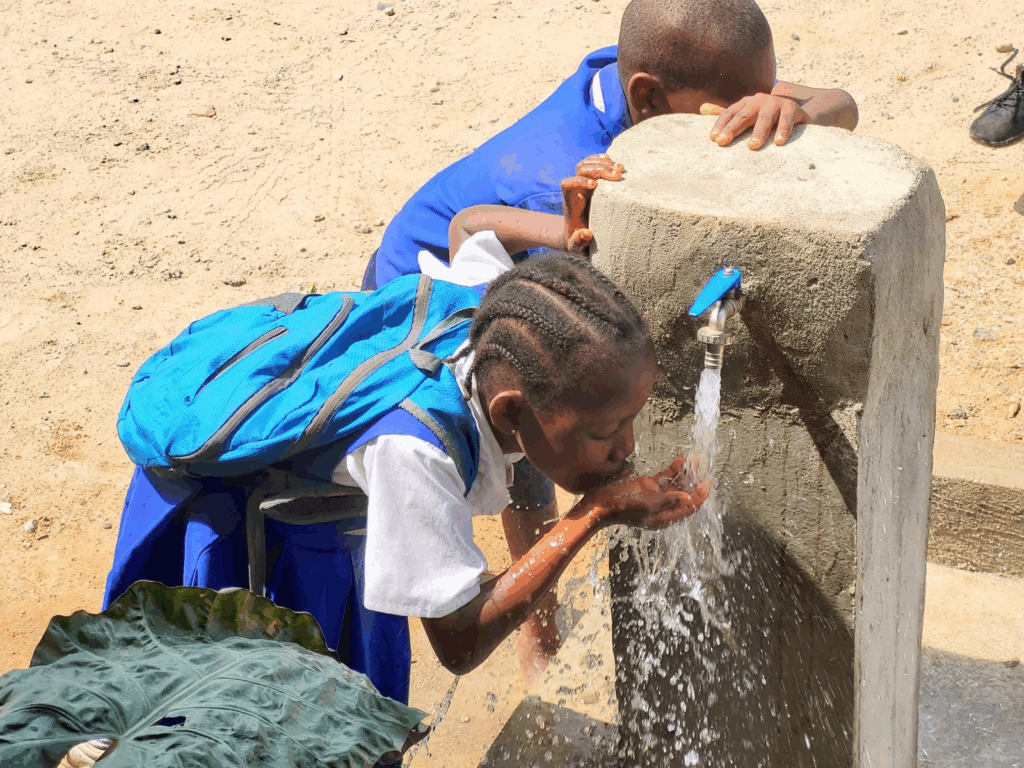
These gaps have serious consequences for children’s health, nutrition, learning and protection. Unsafe water, poor sanitation and inadequate hygiene contribute to diarrhoeal diseases, which remain among the leading causes of death among children under five in Sierra Leone. Poor WASH conditions are also linked to undernutrition, impaired growth, reduced school readiness and lost learning opportunities.
At the same time, preparedness for future outbreaks must remain a national priority. Strong WASH systems are essential for building public health resilience and reducing the risk and spread of infectious diseases, including cholera, mpox and other epidemic-prone diseases, drawing important lessons from past outbreaks such as Ebola.
In schools, inadequate sanitation and hygiene facilities negatively affect attendance and learning outcomes, particularly for adolescent girls managing menstrual hygiene. No child can fully enjoy their right to health, education and protection without reliable access to safe drinking water, dignified sanitation and basic hygiene services.
At the same time, climate change is increasing pressure on water resources and sanitation systems across the country. Children in coastal and fishing communities are particularly vulnerable, as flooding, saltwater intrusion and poor drainage frequently contaminate water sources and damage sanitation facilities.
Flooding, changing rainfall patterns and environmental degradation threaten to reverse hard-won gains, particularly in the most vulnerable communities. Schools, health facilities and communities need climate-resilient WASH infrastructure and services that continue functioning during floods and other climate-related shocks.
In many communities, a broken water point can mean days or even weeks without safe water. While communities play an important role in managing these systems, limited technical capacity, difficulties accessing spare parts, and challenges within the local supply and maintenance ecosystem can make timely repairs and long-term sustainability a challenge.
Achieving universal access to WASH will require stronger and more sustained investment. While Sierra Leone has demonstrated commitment to improving services, current levels of financing are still not enough to ensure that every child enjoys their right to safe water and sanitation. Between 2020 and 2026, WASH spending averaged less than 1 per cent of government expenditure and around 0.2 per cent of GDP—far below international commitments and financing targets.
Consistent with broader calls for increased investment in child-sensitive social sectors, stronger financing for WASH is critical to ensuring that every child can survive, learn and thrive.
The sector also remains heavily dependent on donor financing, while sanitation and hygiene continue to receive limited attention compared to water infrastructure. Sanitation and hygiene accounted for only about 0.2 per cent of total water sector spending over the period reviewed. Without predictable and sustained financing, children in the poorest and most underserved communities will continue to bear the greatest burden of unsafe water and poor sanitation.
Accelerated progress requires coordinated action across government, development partners, the private sector, communities, and young people themselves. Key priorities include:
- Expanding equitable access to safe water and sanitation services, especially in underserved rural and urban communities
- Strengthening WASH infrastructure in schools and health facilities
- Investing in climate-resilient systems that can withstand floods and other climate shocks
- Increasing financing for sanitation and hygiene services alongside water infrastructure anchored through a comprehensive WASH financing strategy
- Promoting safe hygiene practices that protect children and communities
- Strengthening local systems, accountability and community participation to improve service delivery
Children, young people and communities must also be part of designing and sustaining WASH solutions that respond to local realities and needs.
The Day of the African Child is not only a moment for reflection — it is a call to action. With only four years left to achieve the Sustainable Development Goals, the time for accelerated action is now. National and local governments, development partners, private sector actors and community leaders must work together to scale up sustainable solutions across districts.
Every child in Sierra Leone deserves safe water, safe sanitation and the opportunity to grow, learn and thrive in a healthy and resilient environment. Investing in WASH is investing in children’s rights, their dignity and the future of the nation.