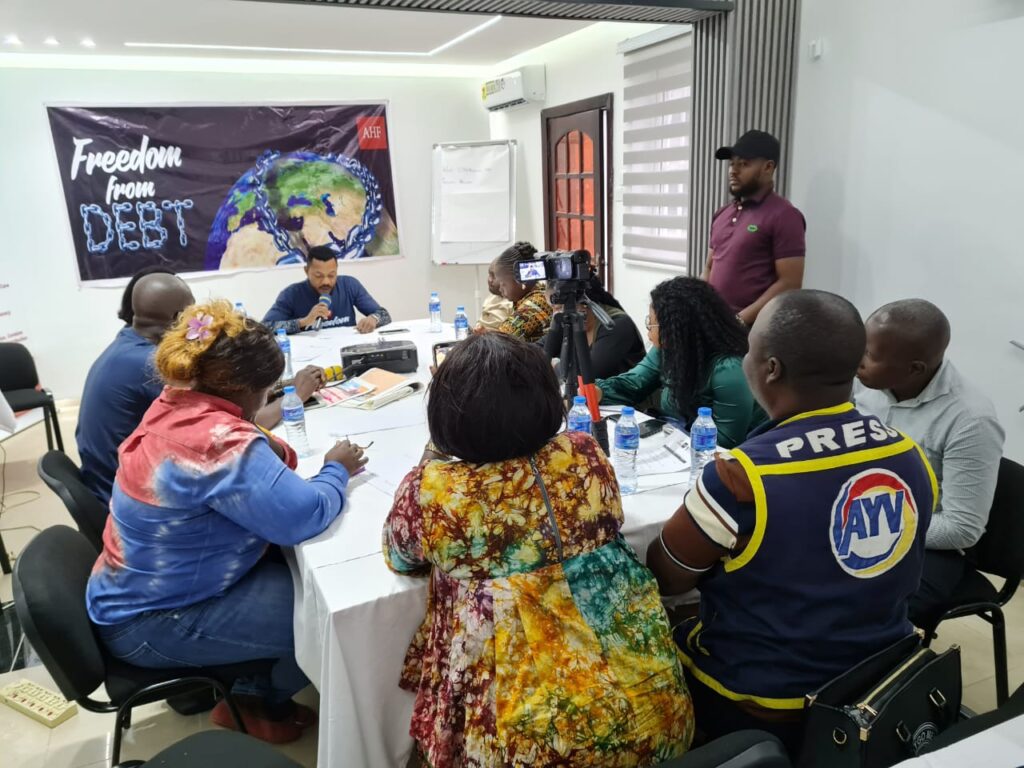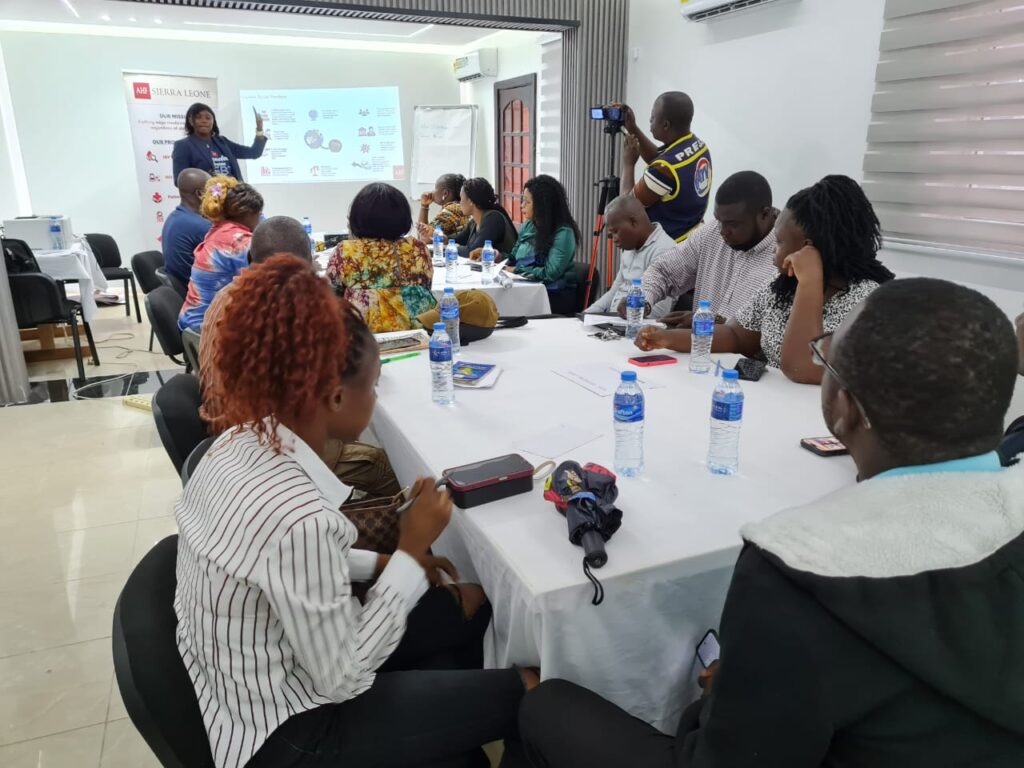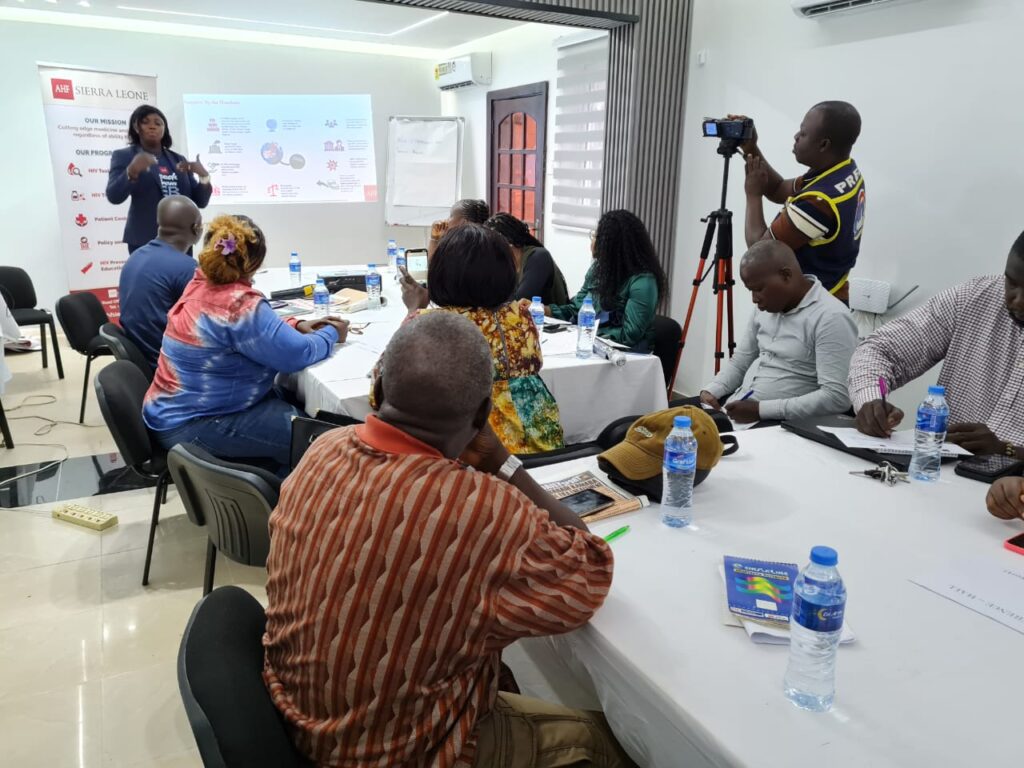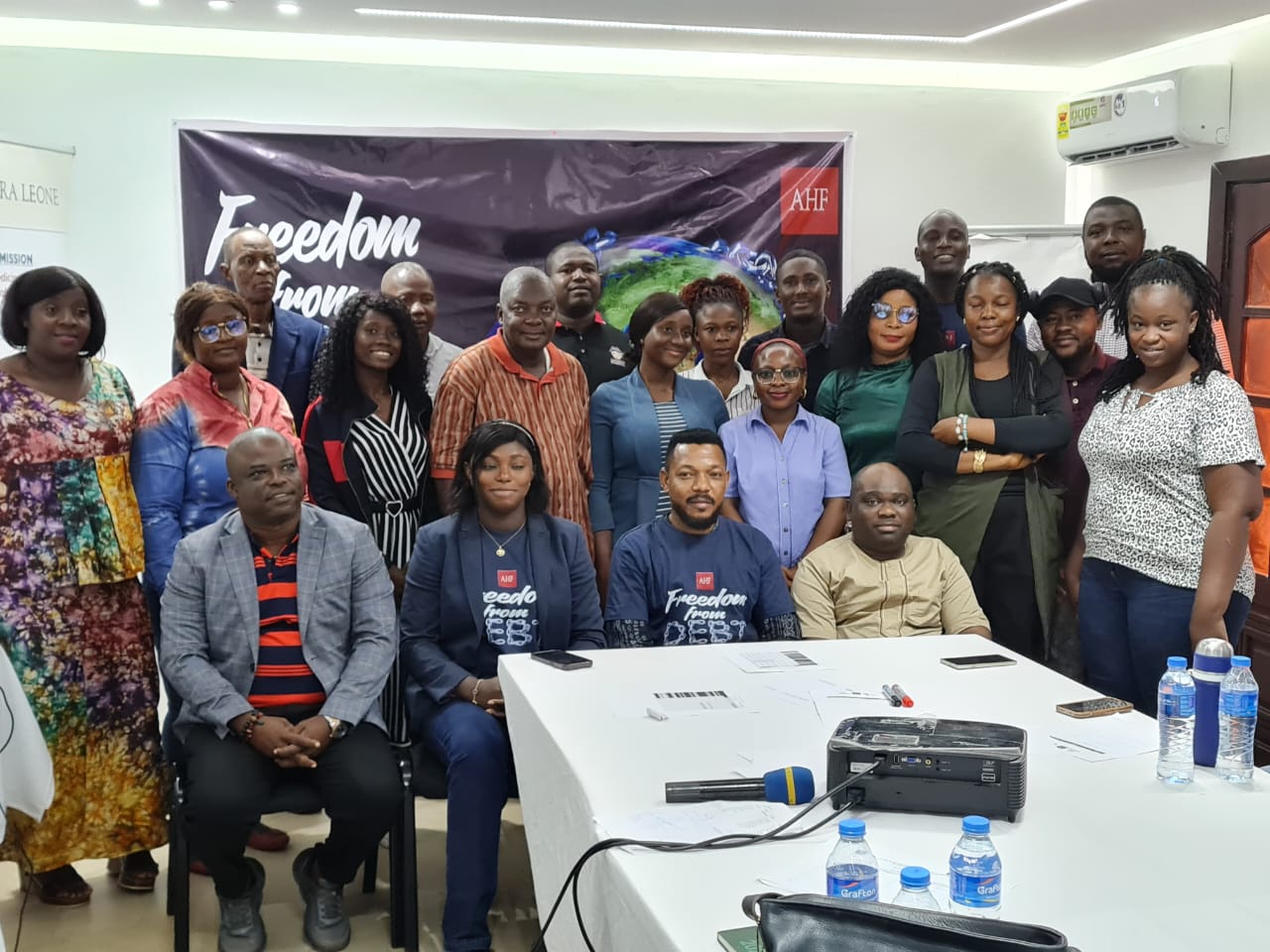
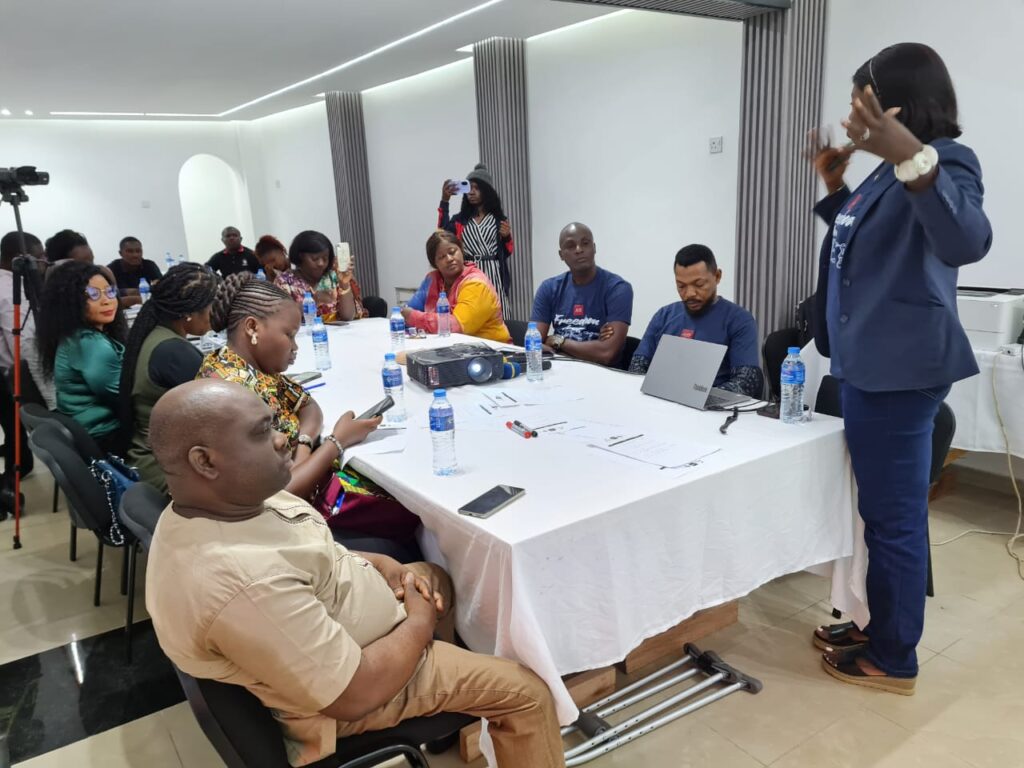
The AIDS Healthcare Foundation (AHF), in collaboration with its partners, officially launched the Freedom from Debt Campaign on Wednesday, 10th June 2026, at Family Kingdom in Freetown. The initiative seeks to reframe sovereign debt as a human rights issue and push for urgent reforms in global and national debt governance.
Speaking at the ceremony, AHF Medical Manager Dr. Ifeanyi Egeonu warned that excessive debt repayments are diverting resources away from essential public services. He noted that more than 45 countries now spend more on servicing creditors than on healthcare, and that over 3.3 billion people live in nations where debt interest payments exceed spending on health or education. According to Dr. Egeonu, this unjust reality siphons resources from critical services, undermines national sovereignty, and deepens inequality. He argued that no nation should be forced to choose between paying creditors and keeping its citizens alive.
He observed that the country’s debt situation mirrors the global crisis. As of 2025, total public debt stands at NLe 62.7 billion (US$2.61 billion), with external debt dominating at NLe 42.9 billion (US$1.79 billion) and domestic debt at NLe 20.8 billion (US$867 million). The debt‑to‑GDP ratio remains elevated at 39.8 percent, a growing burden that threatens fiscal sustainability, service delivery and long‑term development.
He stressed that the campaign is not against borrowing per se, but is a call for social justice, equity, responsible borrowing, transparency, accountability and prudent debt management. Borrowed resources, she said, must deliver meaningful development outcomes, improving healthcare, education, agriculture, social protection and employment opportunities. Through this initiative, AHF and its partners aim to elevate national and global conversations on debt justice, strengthen citizen participation in debt governance, advocate for policies that protect critical social sector investments, and demand reforms in the global financial architecture to ensure fairness for developing nations.
Specific goals include reframing the sovereign debt crisis as a direct threat to progress, prosperity and peace; facilitating the establishment of a Borrowers’ Forum and secretariat by the end of 2026 to enhance representation and equitable global finance rules; advocating for automatic debt‑service pauses during public health emergencies or climate disasters; and securing formal commitments to a one percent levy on AI capital while scaling up debt‑for‑development swaps to support essential public goods.
He raised concerns over rising public debt and the servicing burden, noting that Sierra Leone’s debt trajectory raises questions about repayment capacity and fiscal resilience. She warned of shrinking fiscal space, as rising debt servicing crowds out investments in health and education, with Sierra Leone still below the Abuja Declaration target of 15 percent for health. She also highlighted a growing tax burden amid service delivery gaps, observing that citizens contribute more yet hospitals and schools face severe funding shortfalls. While budget transparency has improved, she added, citizen participation remains weak, especially in debt‑related decisions. Excessive debt servicing, He said, diverts resources from essential programmes such as education, healthcare, climate action, infrastructure and poverty reduction, leaving millions vulnerable to preventable illness and death.
He described the current approach to sovereign debt as unjust and immoral, disproportionately burdening developing nations while enriching private creditors and wealthy countries. The debt system, she argued, perpetuates structural inequalities and the legacy of colonialism and exploitation, keeping many nations impoverished. Debt repayments result in a net transfer of wealth from poorer nations to richer ones, undermining sovereignty and sustainable growth; when debt servicing outpaces social investment, it becomes a direct threat to human survival.
He demanded greater transparency and accountability in public debt management, including accessible information on borrowing decisions, loan terms and debt‑financed projects. She insisted that all future borrowing must align with development priorities and undergo rigorous value‑for‑money assessments and that parliamentary oversight and citizen participation must be strengthened. Parliament, she said, must scrutinise borrowing proposals, and citizens must be engaged in debt‑related decisions. She also called for protection of critical social sector investments, ensuring that rising debt servicing does not crowd out spending on healthcare, education, agriculture and social protection. In line with the global Freedom from Debt Campaign, she further demanded the immediate establishment of a Borrowers’ Forum for developing nations to amplify collective bargaining power and knowledge sharing, automatic debt‑service pauses during public health emergencies or climate disasters, a one percent global AI capital levy dedicated to debt relief and essential public goods such as vaccines, food and infrastructure, and the scaling up of debt‑for‑development swaps to redirect resources towards healthcare, education and infrastructure.
A comprehensive presentation on the debt campaign was also delivered by Ms Teh, and a documentary was screened to illustrate the urgent need for freedom from debt.y was screened to illustrate the urgent need for freedom from debt.