A Reflection on Our Past, Present, and Collective Responsibility
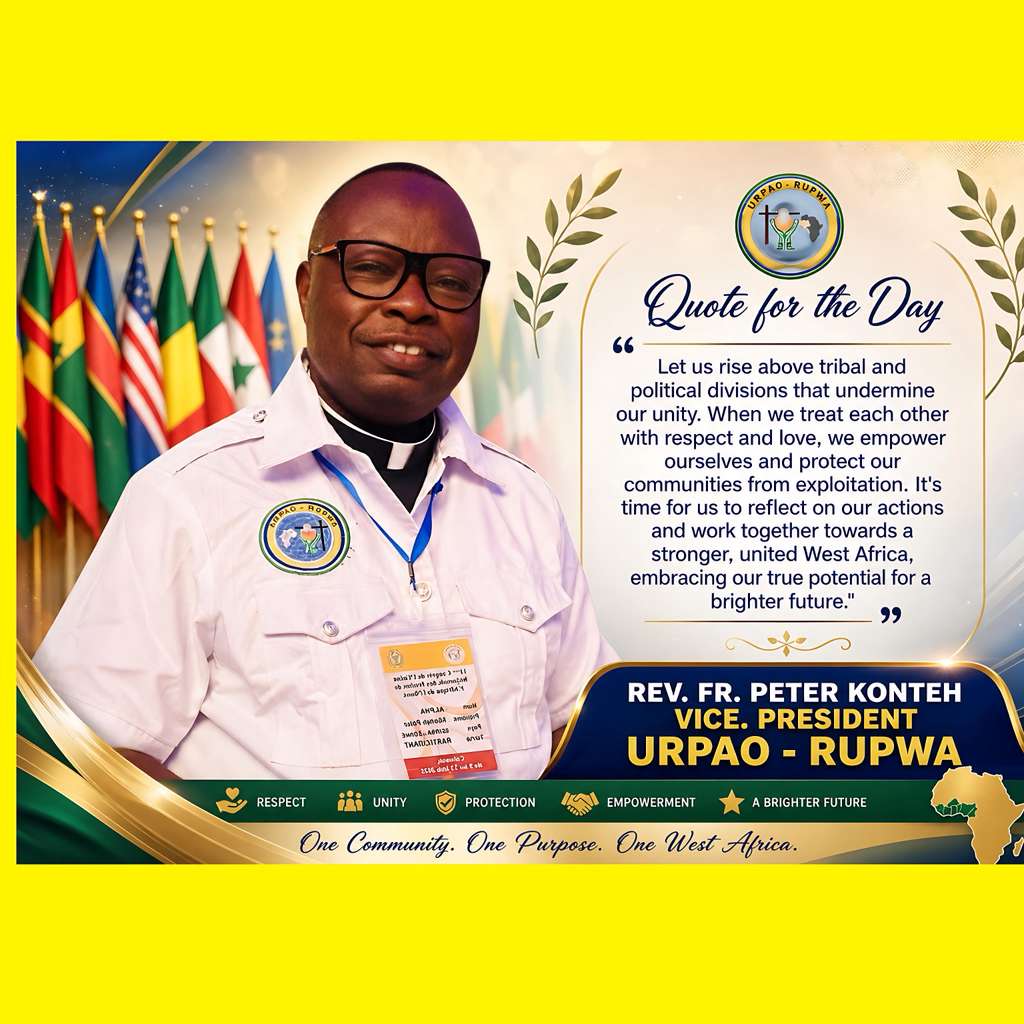
By Fr. Peter A. L. Konteh
There was a time when Sierra Leone was proudly called the “Athens of West Africa.” Our country was respected for education, discipline, hospitality, religious tolerance, and the strong communal spirit that united our people. We were known as a nation where Muslims and Christians celebrated together, where neighbors looked after one another, and where integrity and hard work were values passed from one generation to another.
Institutions like Fourah Bay College helped shape some of the finest minds on the African continent. Sierra Leoneans travelled across the world and represented the country with dignity, intelligence, and professionalism. Families valued education, respect for elders, discipline, and moral upbringing. Even though we faced economic difficulties, there was still a strong sense of hope and national pride.
Today, many citizens are asking painful but important questions: What changed? Why are we struggling so much as a nation? Why is division increasing? Why are so many young people losing hope?
The truth is that change did not happen overnight. Over the years, several factors slowly weakened the moral and social foundation of our society.
One of the greatest concerns today is the rise of drug abuse, especially among young people. Dangerous substances such as kush are destroying lives, affecting mental health, increasing violence, and taking away the future of many promising youths. A nation cannot progress when its young generation is trapped in addiction and hopelessness.
Another challenge is the growth of tribalism and regional politics. Increasingly, people are judged not by competence or character, but by tribe, political party, or region. This has weakened national unity and created unnecessary suspicion among citizens who should see themselves first as Sierra Leoneans.
Corruption and dishonesty have also damaged public trust. Many citizens continue to struggle with poor services, unemployment, and hardship while resources meant for development are sometimes mismanaged. When accountability becomes weak, frustration naturally grows within society.
Social media has brought opportunities for communication, but unfortunately it has also become a platform for insults, fake news, propaganda, and character assassination. Many people now spread rumors without verification, damaging institutions, relationships, and national cohesion.
Economic hardship has added further pressure. Young people graduate without jobs, families struggle to survive, and many citizens are simply exhausted by the daily challenges of life. This frustration sometimes turns into anger, blame, division, and hopelessness.
Another painful development damaging the image of Sierra Leone internationally is the increasing association of the country with international drug trafficking. Recently, reports emerged of a record quantity of cocaine seized from a ship in the Atlantic Ocean by Spanish police, with allegations that the consignment originated from Sierra Leone. Whether directly or indirectly connected, such reports are deeply troubling and unfortunate for our national image.
Sierra Leone is a country blessed with good people, rich culture, faith, and resilience. It is heartbreaking when our nation is mentioned internationally in connection with drugs, criminal networks, and illegal activities instead of education, tourism, peacebuilding, and development. This must stop. Our leaders, security institutions, communities, families, and young people must work together to protect the integrity and reputation of Sierra Leone. We cannot allow criminal activities to define who we are as a people.
But despite all these difficulties, Sierra Leone is not a hopeless nation.
Our country still has good people. We still have hardworking citizens, committed religious leaders, honest professionals, responsible parents, and young people who genuinely want change. The problem is not only the government or institutions. Every citizen has a role to play in rebuilding Sierra Leone.
We must begin by changing our attitudes. Citizens must learn to reject corruption in both big and small ways. We must stop glorifying quick wealth without honesty and hard work. Parents must take responsibility for the moral upbringing of their children. Religious leaders must continue to speak truthfully and courageously. Teachers must inspire discipline and patriotism again.
Young people must avoid drugs and use their talents positively. Instead of spending time spreading hatred and insults online, we should use social media to educate, inspire, and promote peace. We must also learn to respect one another regardless of tribe, religion, or political affiliation.
Leadership is important, but citizenship is equally important. A better Sierra Leone will not only come from policies and speeches; it will come when ordinary citizens decide to become responsible, truthful, compassionate, and patriotic.
As a nation, we must return to the values that once made Sierra Leone respected: integrity, unity, education, discipline, compassion, and faith in God.
The future of Sierra Leone is still alive, but rebuilding it will require sacrifice from all of us. Instead of constantly asking what the country can do for us, perhaps we must begin asking ourselves: What can I do for Sierra Leone?
If every citizen makes even a small positive contribution, then hope can rise again, and Sierra Leone can once more become a nation admired not only for its beauty, but for the character and dignity of its people.
Sierra Leone must grow. Sierra Leone must rise again.