By Komba Fillie
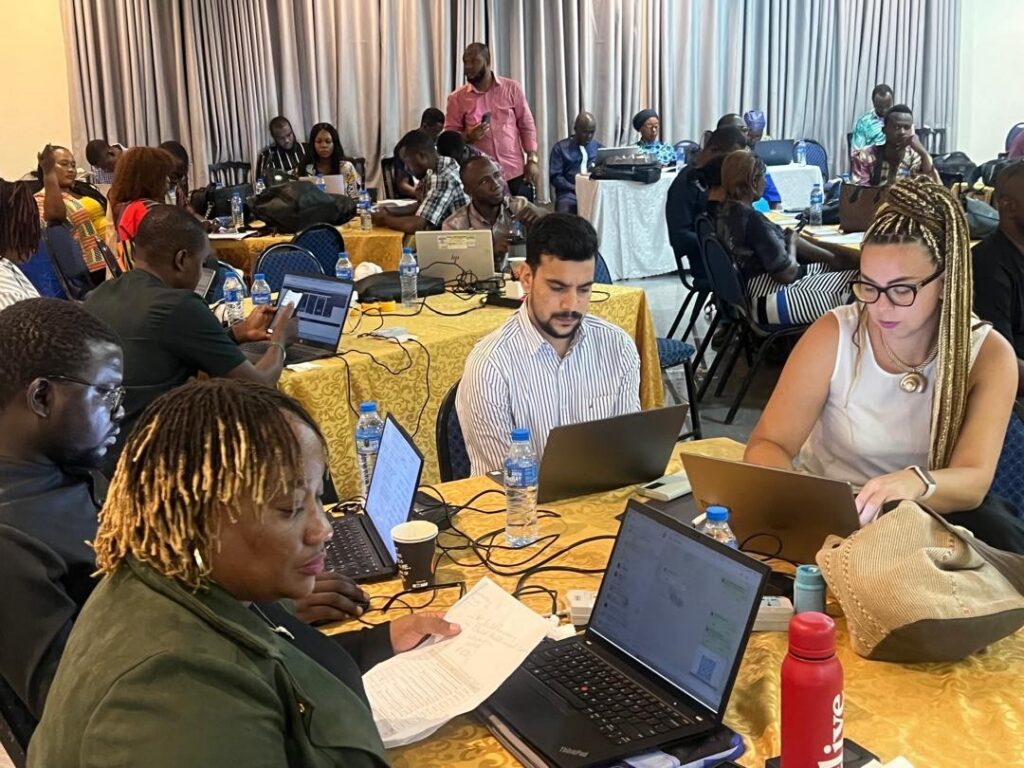
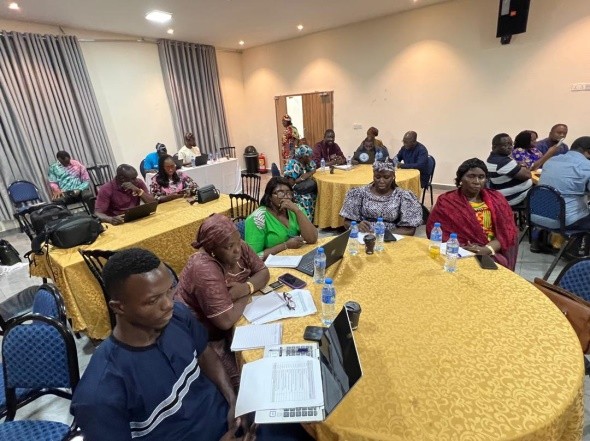
The Government of Sierra Leone, through Statistics Sierra Leone, will conclude the Multiple Indicator Cluster Survey (MICS) 2025-26 Data Interpretation and Report Compilation Workshop today at Brookfield Hotel in Freetown. The workshop brought together government institutions, development partners, academia, United Nations agencies and technical experts to review, interpret and validate the survey findings.
The session underscored the importance of translating reliable data into evidence that can inform policy dialogue, national planning, budgeting, programme decisions and investments for children, women and families.
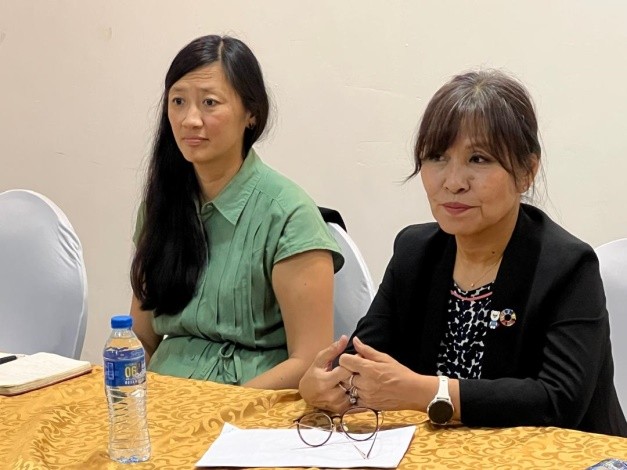
Making remarks at the closing ceremony, UNICEF Country Representative to Sierra Leone Mariko Kagoshima said the move towards finalizing the report and preparing for the national launch showed a shared responsibility to ensure that evidence informs action. She described the process as one that would shape priorities, strengthen accountability and support decisions that can make a real difference in people’s lives.
Kagoshima recalled that the MICS findings come at an important time, as the nation continues to advance its national development priorities and the Sustainable Development Goals. She encouraged all stakeholders to use the evidence well and to focus attention and resources where they can have the greatest impact.
She assured the audience that UNICEF remains committed to supporting the Government of Sierra Leone and Statistics Sierra Leone through the remaining stages of the process, from finalizing the report to disseminating and using the findings. “As we conclude, let us remember that data becomes powerful only when it leads to action,” she said.
She added that the collective effort had strengthened not only the quality of the evidence but also national ownership of what the data tells us about the lives of children, women and families across Sierra Leone. She commended Statistics Sierra Leone and the Government of Sierra Leone for their leadership throughout the process and thanked all participants for their expertise, time and commitment.
“This national exercise has been made possible through strong partnership. We are grateful to the Government of Iceland for its generous financial support, and to UN Women for its technical and financial contribution to the survey process. This support reflects our shared commitment to ensuring that decisions affecting children, women and families are informed by reliable data,” she said.
Speaking on behalf of the Statistician-General and the management and staff of Statistics Sierra Leone, the Director of Gender Health, Mohamed Koblo Kamara, welcomed all participants and described the gathering as a crucial Data Integration and Report Compilation Workshop for the Seventh Round of the Multiple Indicator Cluster Survey (MICS7).
He said the institution is transitioning from the intensive and highly demanding phase of nationwide fieldwork into the critical stages of rigorous data analysis, integration and thematic validation. The data collected by dedicated field teams, following extensive training and nationwide deployment, is no longer simply a collection of raw numbers, he said. It is now an important evidence base upon which the future of Sierra Leone’s development policies will be constructed.
Kamara pointed out that the foundational principle of statistics and good governance is simple: “We cannot improve what we do not measure.” He said MICS7 is not a routine statistical exercise. It provides one of the country’s most comprehensive and globally comparable lenses into the actual lives of citizens, particularly women, children and vulnerable populations.
He said that following intensive preparations, including careful training and the nationwide deployment of highly skilled enumerators, the survey had captured an incredibly rich dataset containing close to 200 key indicators. These indicators will provide a clearer picture of the realities faced by Sierra Leoneans across critical areas, including child health, nutrition, education, water and sanitation, child protection, and early childhood development.
This data is particularly important at this point in the national development journey, he said. It will help fill critical information gaps and enable Sierra Leone to benchmark its progress against the Sustainable Development Goals and the African Union’s Agenda 2063.
He said the findings will provide an important evidence base for tracking the medium- and long-term impacts of His Excellency President Julius Maada Bio’s national development plans, including the flagship Free Education programme and broader human capital development priorities.
“We must move beyond merely presenting facts. We must use the evidence to tell the story of the Sierra Leonean child and mother, clearly highlighting inequalities, geographical disparities and emerging trends that may require immediate policy attention and intervention,” he said.
He added that the final report should serve as a practical and strategic roadmap for national development. Every public resource spent and every development dollar invested by partners should be guided by reliable evidence and directed towards areas where the data demonstrates the greatest need.
“Our gratitude goes to all our partners. An operation of this magnitude requires deep collaboration, commitment and sustained support,” Kamara said.