By Mohamed Konneh
Sierra Leone first use the Proportional Representation in 1996, while the country was healing from the brutal civil war a shift from first past the post. First past the post was used during the general elections in 2002 and since then the country has been using this type of electoral system until in 2023 election when the PR was re-introduced once again.
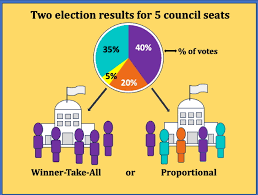
First-past-the-post (FPTP) system, is simply where the candidate with the most votes wins a seat in parliament.
What is Proportional Representation and why?
Proportional representation is an electoral system where seats in parliament are allocated to parties based on the percentage of votes they receive nationwide. This system aims to ensure that all voices are represented, particularly those of minority groups.
Benefits of PR Type of Electoral System:
The PR Type of electoral system increases Representation and gives smaller parties and minority groups a stronger voice in parliament, promoting diversity and inclusivity. This was the case in 1996, allowing five political parties at the time to have representation in parliament. This was not the case in 2023 as the threshold was high as compares to 1996.
The PR System reduces Winner-Takes-All Politics, by allocating seats proportionally, PR could reduce the intense competition and tensions associated with FPTP.
It also encourage Coalition Building and often leads to coalition governments, fostering collaboration and consensus-building among parties. It bring to the fore a more Representative Parliament and could lead to a parliament that better reflects Sierra Leone’s diverse population.
Concerns of PR System:
PR can be complex, requiring voter education and electoral reforms. Coalition governments can be unstable if not managed carefully. Sierra Leone’s exploration of PR highlights its commitment to strengthening democracy and promoting inclusive governance. If implemented, PR could be a significant step towards a more representative and accountable government.
Proportional representation (PR) is an approach to electing legislatures designed to match the share of seats parties or groups receive with their share of the vote.
Unlike winner-take-all systems where a single candidate or party can take an entire district’s seat with a plurality, PR spreads representation so that smaller groups receive seats roughly proportional to their electoral support.
In plurality/majoritarian systems (first-past-the-post, single-member districts), large groups and geographically concentrated parties win disproportionate influence; smaller or dispersed minorities get little or no representation.
PR systems can be difficult for voters to understand, potentially leading to confusion and decreased participation. It can often results in coalition governments, which can be unstable if parties have differing ideologies or interests. The lack of Constituency Representation leading to MPs focusing on national party agendas rather than local constituency needs.
The threshold (11% vote share 2023 Election) for parties to enter parliament can exclude smaller parties and minority voices. Sierra Leone would need significant electoral reforms, voter education, and infrastructure upgrades to support PR.
These concerns highlight potential drawbacks, but many argue the benefits of PR outweigh these challenges.
For example, after the 2023 elections Sierra Leone had not witness a single bye-election saving the country’s meagre resources. Bye elections over the years have been marred by violence leading to the destruction of properties and lives. Under the PR system this country has witness new members in parliament with ease and same for local councils.