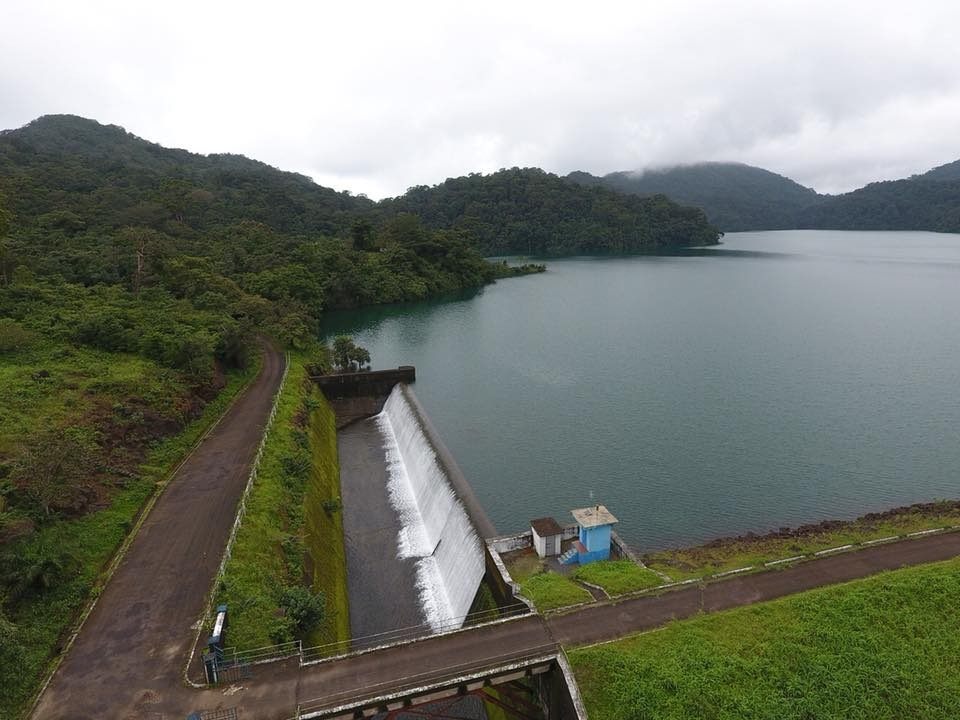
As the world commemorates World Environment Day 2026 under the theme, “Inspired by Nature. For Climate. For Our Future,” there is no better time to reflect on the growing environmental threats facing Sierra Leone’s most important water sources and the urgent actions required to safeguard the future of water supply in the Western Area.
For more than six decades, Guma Valley Water Company (GVWC) has supplied potable water to the residents of Freetown and its environs. This vital service depends almost entirely on the health of the forests, rivers, streams, dams, and catchment areas located within the Western Area Peninsula National Park and surrounding watershed ecosystems. Today, however, these critical water sources are under unprecedented pressure.
A recent assessment undertaken by Guma Valley Water Company from 4th December 2025 to 8th January 2026 has revealed alarming levels of deforestation, encroachment, unregulated settlement expansion, and other human activities across several critical water catchments in the Western Area. The findings underscore the increasing vulnerability of these vital ecosystems and raise serious concerns about the future of water security for the growing population of Freetown and its surrounding communities.
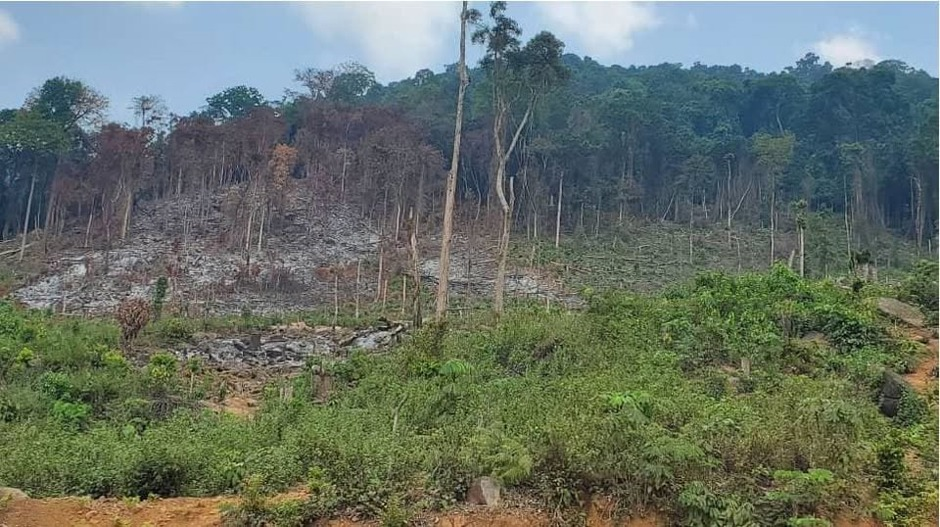
The assessment warns that while the Guma Dam and Kongo Dam catchments continue to serve as the backbone of water supply in the Western Area, mounting human pressure around these critical watersheds is steadily eroding their natural protection and placing the region’s future water security at risk. Human settlements are rapidly expanding towards these protected areas, with significant forest loss observed around Mile 13, Baw Baw, No. 2 River, Tacugama, and other communities bordering the catchments. In some locations, settlements have advanced to within a few hundred metres of critical water infrastructure, raising serious concerns about the long-term sustainability and protection of these vital water sources.
The situation is even more alarming in several smaller catchments. The Angola Upper and Lower Weirs have experienced extensive deforestation and encroachment, with residential construction occurring dangerously close to water sources. The Mamba Ridge catchment has suffered severe degradation, while the Charlotte Weir has effectively ceased functioning as a water source due to massive deforestation. Hastings, Thunder Hill, White Water (Botanical Garden FBC) and Blue Water (Wellington) catchments are also increasingly vulnerable to encroachment and loss of vegetation cover.
Beyond reducing water quantity, these activities are also affecting water quality. The assessment recorded bacteriological contamination in several water sources, largely attributed to the proximity of human settlements and unsanitary activities around catchment areas. Such contamination increases treatment costs and poses risks to public health if not adequately managed.
The consequences of continued catchment degradation extend far beyond Guma Valley Water Company. Reduced forest cover leads to lower groundwater recharge, diminished stream flows, increased sedimentation, deteriorating water quality, greater flooding risks, biodiversity loss, and reduced resilience to climate change. Ultimately, the greatest casualty will be the people of the Western Area who depend on these water sources every day.
The message is clear: protecting our catchments is not merely an environmental issue; it is a water security issue, a public health issue, and a national development issue.
To reverse the current trend, coordinated and decisive action is required from all stakeholders. Government institutions responsible for environmental management, land administration, water resources, and protected areas must strengthen enforcement of existing laws and halt illegal activities within critical catchment zones. Encroachment into protected areas should be treated as a serious threat to national water security.
Communities living around catchments must also become active partners in conservation efforts. Tree planting, watershed restoration, sustainable farming practices, proper waste disposal, and community monitoring programmes can all contribute to protecting these fragile ecosystems.
At the same time, sustained public education and awareness campaigns are needed to help citizens understand the direct connection between healthy forests and reliable water supply. Every tree preserved, every stream protected, and every encroachment prevented contributes to securing water for future generations.
Guma Valley Water Company also calls for increased investment in catchment restoration, reforestation programmes, watershed monitoring systems, and climate-resilient water infrastructure. Long-term water security can only be achieved through a combination of environmental protection, sound policy implementation, and collective responsibility.
As we observe World Environment Day 2026, let us remember that water begins in the forest. The future of water supply in the Western Area depends on the actions we take today to protect our watersheds and natural ecosystems.
The cost of losing our forests and water catchments is far too great. Protecting them is not an option, it is a necessity.