Ibrahim S. Barrie, a native of Makeni in Bombali District, has experienced a life shaped by the Poro Society from an early age, with his childhood initiation eventually placing him under pressure to assume a traditional spiritual position he never chose for himself.
His involvement in the society began in May 2013 when he was just eight years old. He was taken through his first Poro initiation by his uncle, before undergoing a second initiation in March 2019 at the age of fourteen.
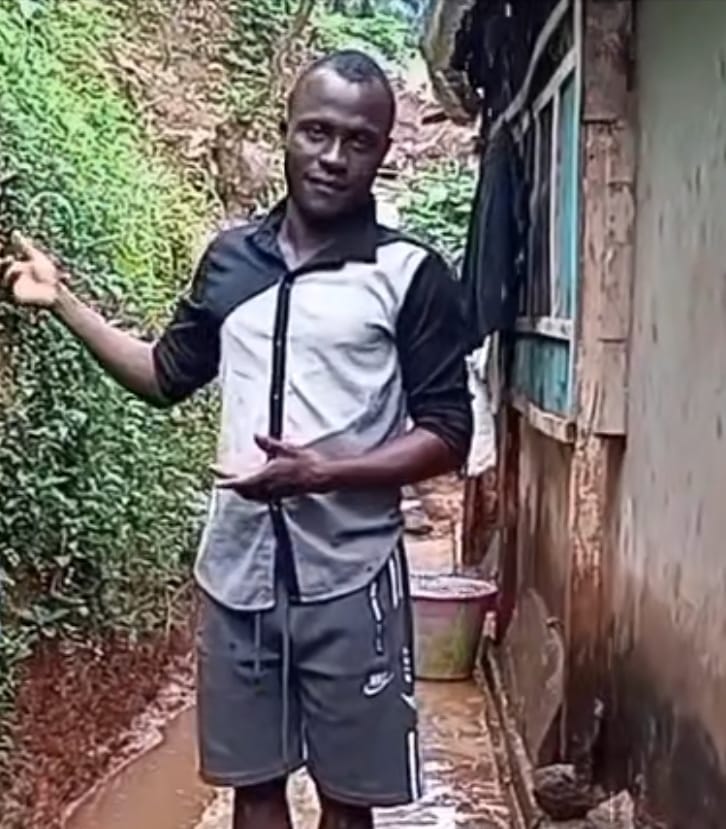
His circumstances changed dramatically following the death of his uncle on January 12, 2026. The late uncle was regarded as a respected traditional spiritual figure within the Poro Society in his father’s village.
Following his death, the elders of the society reportedly selected Ibrahim to succeed his uncle and assume his traditional spiritual responsibilities. The decision placed him in a difficult position, as the responsibility was imposed without consideration of his personal wishes or readiness to take on the role.
His childhood initiation and family lineage reportedly became the basis for his selection, leaving him facing what is understood to be a lifelong traditional obligation. The situation has brought considerable pressure and uncertainty into his life, raising questions about personal choice, family expectations and the responsibilities associated with traditional institutions.
His experience also highlights broader concerns about children being introduced into traditional societies at an age when they may not fully understand the commitments involved or have the capacity to make informed decisions about their participation.
The situation draws attention to the experiences of young boys in Bombali District and other parts of Sierra Leone who may face similar circumstances, particularly where childhood initiation is followed by expectations of lifelong participation and inherited responsibilities.
Ibrahim’s story presents a wider conversation about childhood consent, individual freedom, cultural traditions and the need to ensure that young people understand the implications of decisions that could shape the course of their lives.