Caritas Freetown has concluded a landmark celebration under its Kush Rehabilitation and Empowerment Project (REAR Project), marking the successful discharge of the first cohort of young female survivors who completed a sixteen-week residential rehabilitation programme designed to address the growing Kush drug epidemic in Sierra Leone.
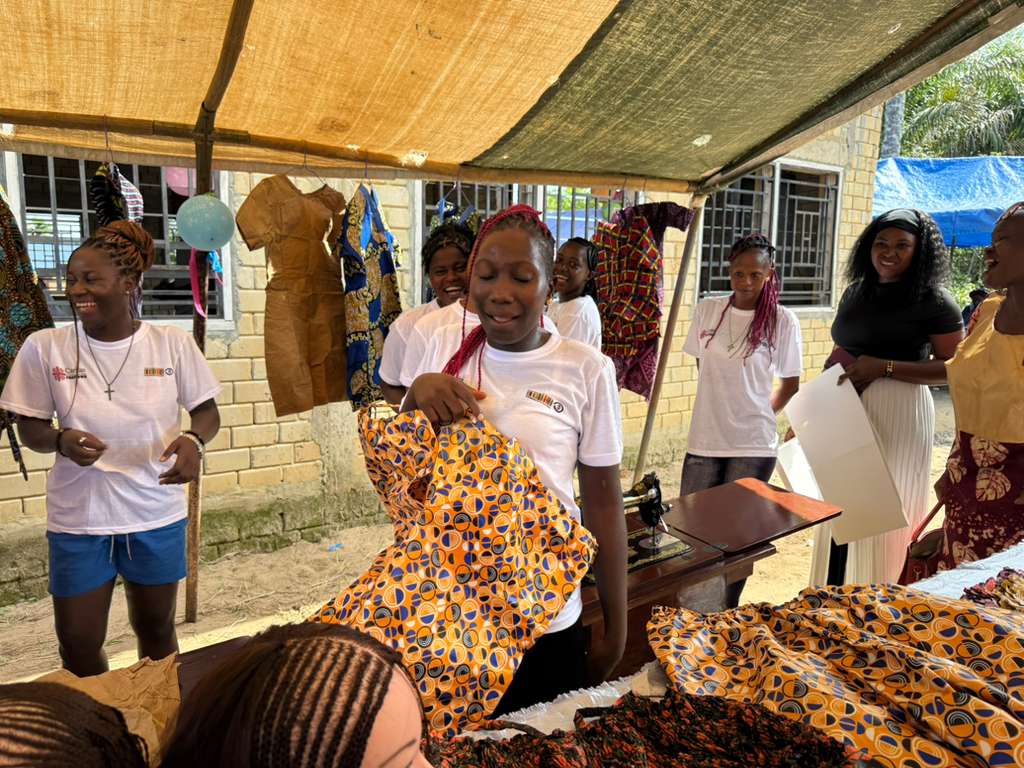
Held at Makomba Village, Newton, under the theme “From Surviving to Thriving,” the event brought together government representatives, development partners, community leaders, donors, families, and beneficiaries to celebrate resilience, recovery, and renewed hope.
The ceremony served as a powerful testimony that recovery from addiction is possible when communities, institutions, and families work together to provide compassionate and holistic support.
The REAR Project was established by Caritas Freetown in response to the alarming rise of Kush drug abuse, particularly among young people. Beyond addressing addiction itself, the programme tackles the underlying challenges that often accompany substance abuse, including psychological trauma, family breakdown, social exclusion, homelessness, educational disruption, and economic vulnerability.
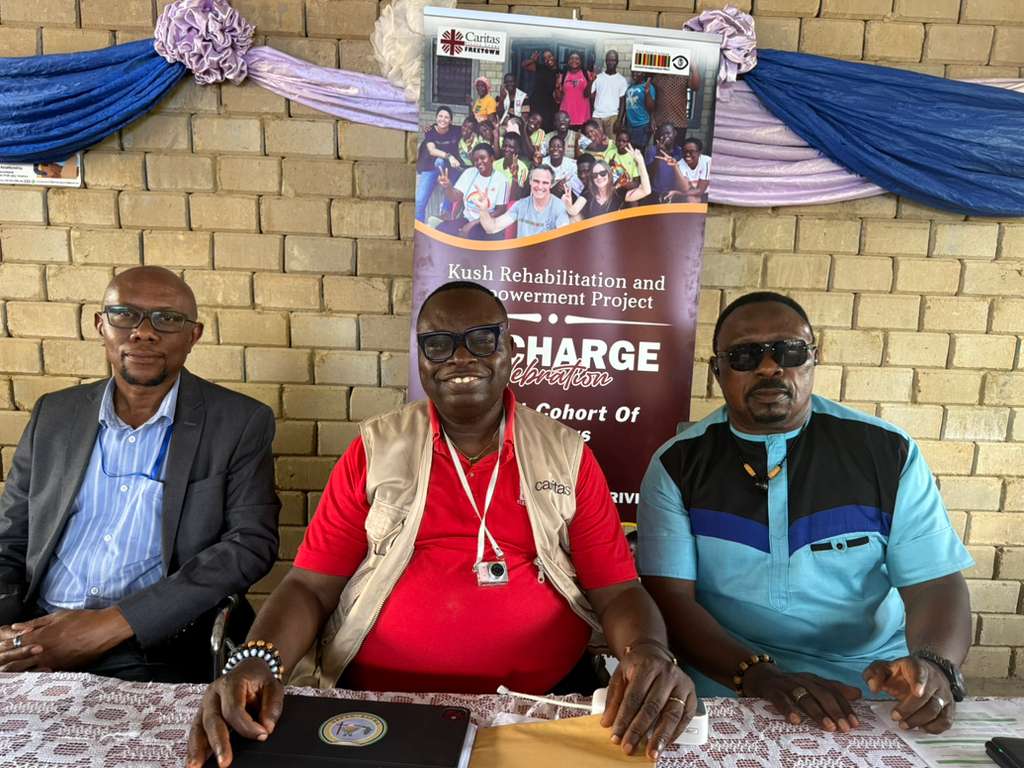
The day featured survivor testimonies, reflections from family members and caregivers, cultural performances, keynote addresses, and the presentation of certificates to the graduates who successfully completed the rehabilitation programme.
In his keynote address Rev, Fr. Peter Alpha Leo Konteh said today is more than a ceremony, today is a testimony. Today is a celebration of resilience, healing, and new beginnings.
Fr. Konteh extend heartfelt appreciation to everyone and to all those who supported this life-changing initiative.
He said the Kush epidemic has become one of the most urgent social, public health, and humanitarian crises facing our nation. It has spread rapidly, destroying dreams, weakening families, and robbing many young people of their future.
‘’For young girls and women, the consequences are even more devastating. Addiction often exposes them to homelessness, exploitation, violence, trauma, family breakdown, interrupted education, and social exclusion,’’ he said.
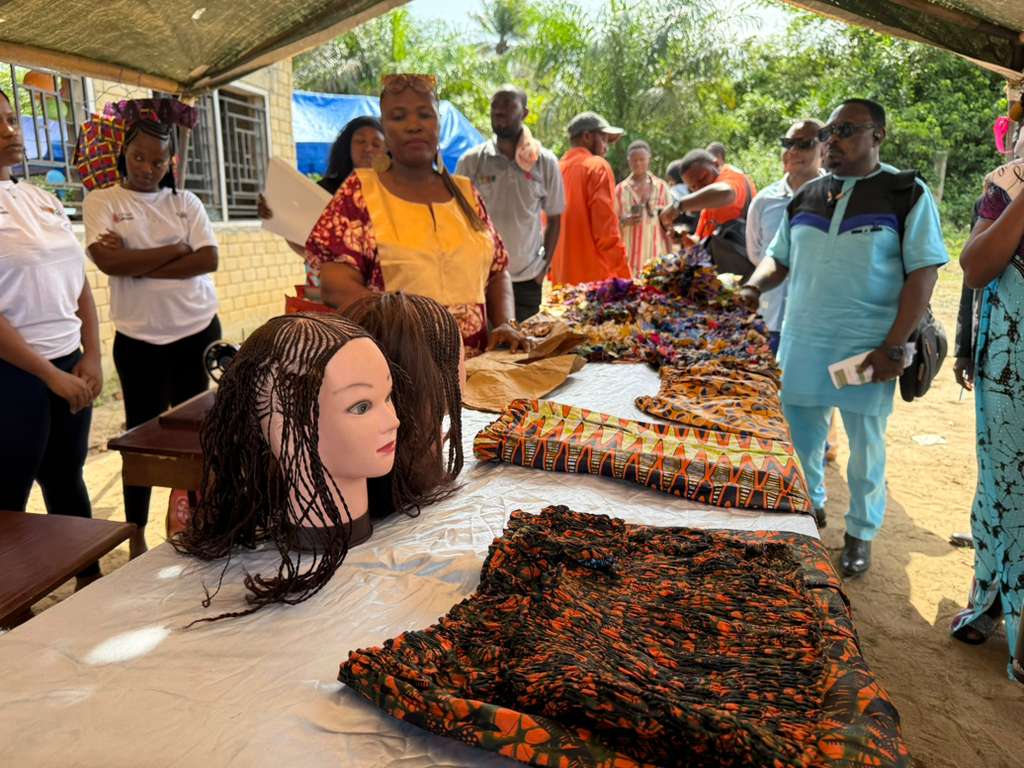
The Executive Director of Caritas Freetown noted that as a nation, we cannot remain indifferent.
‘’As a Church, we cannot remain silent. As Caritas Freetown, we cannot stand by and watch an entire generation lose its future.
That is why the REAR Project was established—not merely to rehabilitate, but to restore dignity; not simply to treat addiction, but to rebuild lives,’’ he said.
Fr. Konteh noted that the residential facility in Makomba Village, have implemented a holistic sixteen-week rehabilitation programme that addresses the whole person: mind, body, spirit, family relationships, emotional wellbeing, education, life skills, and economic empowerment.
‘’We firmly believe that every human person is created in the image and likeness of God and that no life is beyond redemption.
Today, we celebrate a remarkable group of young women who have demonstrated extraordinary courage. They have confronted their pain, embraced healing, and chosen a new path for their lives,’’ he said.
To the survivors, Fr. Konteh praise their resilience saying today, we celebrate you. We honour your determination. We applaud your courage. We recognise your resilience.
‘’Your journey has not been easy, but you have shown us that recovery is possible, transformation is possible, and hope is possible. This certificate you receive today is much more than a piece of paper. It represents perseverance over pain, hope over despair, and life over destruction.
Remember that your story does not end here. Today is not a graduation from support; it is the beginning of a new chapter,’’ Fr. Konteh narrated.
Stakeholders during the event commended Caritas Freetown for pioneering a comprehensive approach that places dignity, healing, and empowerment at the centre of recovery.
For many of the survivors, this was their first formal public recognition of achievement—an emotional milestone that symbolized a transition from isolation and despair to confidence, purpose, and renewed belonging within society.
The event also highlighted the importance of multi-sectoral collaboration in addressing Sierra Leone’s drug crisis. Representatives from partner organisations, including local and international institutions, reaffirmed their commitment to supporting interventions that protect vulnerable young people and strengthen community resilience.
Caritas Freetown emphasized that the REAR Project is more than a rehabilitation programme; it is a movement to restore lives, rebuild families, and create opportunities for young people to become active contributors to national development.
As Sierra Leone continues to confront the devastating effects of Kush, initiatives such as the REAR Project offer a beacon of hope and demonstrate that with the right support systems, survivors can move beyond merely surviving to truly thriving.
The successful discharge of this first cohort marks not an end, but the beginning of a new chapter—one filled with hope, dignity, and the promise of a brighter future.
Caritas Freetown remains committed to working with government, communities, partners, and people of goodwill to build a healthier, safer, and more resilient Sierra Leone for all.
“Recovery becomes real when it is witnessed, celebrated, and supported by an entire community.”
This event reflects Caritas Freetown’s ongoing commitment to addressing the Kush epidemic through holistic rehabilitation, empowerment, and community reintegration initiatives.