By Mohamed Konneh
Sierra Leone’s Ministry of Finance backed by Non-State Actors have provisionally approved the budget submission of NLe110,558,700 from the Ministry of Agriculture and Food Security for the 2027 financial year, in a move that underscores government’s continued commitment to the flagship programme Feed Salone.
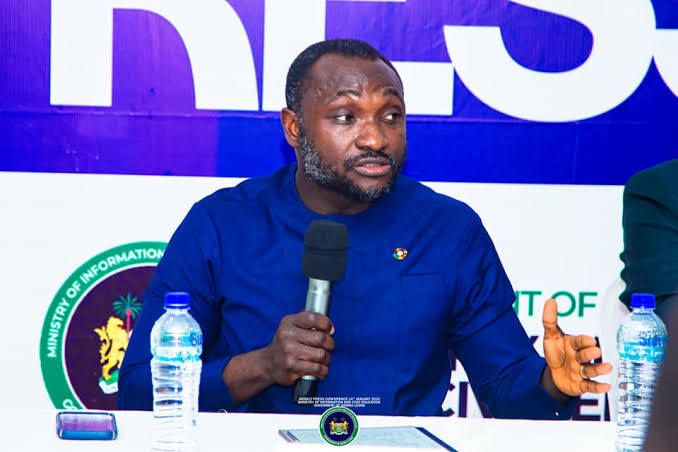
The provisional approval was granted following a detailed budget presentation by the Minister of Agriculture, Dr. Henry Kpaka during the bilateral policy hearing and Budget process at the Miata Civic Center, Youyi Building in Freetown. The Agriculture Ministry’s 2027 budget outlined its funding requirements, past financial constraints, and key achievements recorded in the agriculture sector.
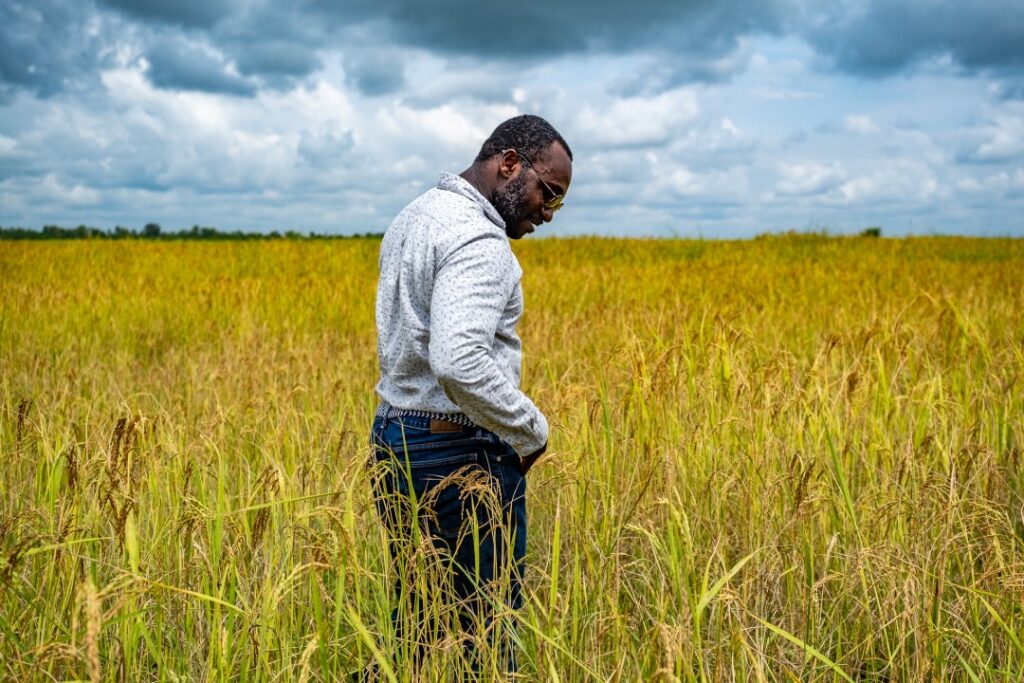
According to the Ministry, despite facing funding shortfalls in previous years, it has made significant strides in boosting local food production and reducing dependence on imported food.
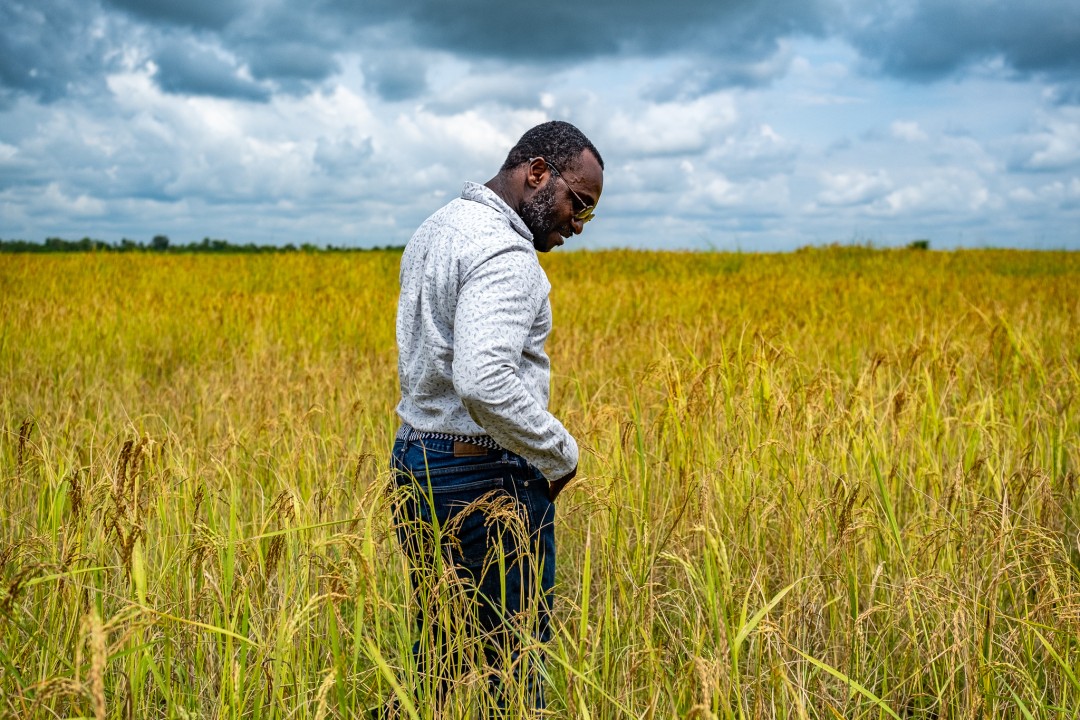
A major highlight is the progress in rice production, which increased by 4.21 percent in 2025. This growth has pushed the country’s rice self-sufficiency level to 73 percent, one of the highest in West Africa.
The Feed Salone initiative, launched by President Julius Maada Bio, is central to the government’s strategy to achieve food security, create jobs for youth and women, reduce the import bill, and drive inclusive economic growth.
The programme focuses on large-scale rice cultivation, mechanization, irrigation, improved seed systems, and value chain development.
Dr. Kpaka say the proposed NLe110.5 million budget for FY2027 will support expansion of cultivation, provision of farm machinery, access to finance for smallholder farmers, and strengthening of agricultural extension services across the country.
‘’It will also cater for ongoing irrigation projects and post-harvest infrastructure to reduce losses,’’ the Minister said.
The Ministry of Finance, while granting provisional approval, is expected to conduct further scrutiny as part of the overall national budget process before final allocation is made by Parliament.
Agriculture sector analysts have welcomed the development, noting that adequate and timely funding is critical to sustaining the momentum in the sector. They argue that Sierra Leone spends huge foreign exchange on rice importation, and achieving self-sufficiency will not only improve food security but also stabilize the economy. In recent years, government has intensified support to farmers through the distribution of improved seeds, fertilizers and tractors, as well as promoting private sector participation in agribusiness. With 73 percent rice self-sufficiency now achieved, stakeholders are optimistic that with sustained investment and the full implementation of the approved budget, Sierra Leone could attain full self-sufficiency in rice production within the next few years, in line with the goals of Feed Salone.
The Minister further noted that increased investment in agriculture is critical to building resilience against climate change and external shocks, which have in the past affected food supply and prices.
Civil society including the Non-State Actor and District Budget Oversight Committee have described the provisional approval as a positive signal, stressing that agriculture remains the backbone of Sierra Leone’s economy, employing over 60 percent of the population.
Foday Dada Sesay of Non- State Actors argue that consistent financing is essential to sustain the gains already made and to achieve full rice self-sufficiency.
While the approval is provisional and subject to final review and parliamentary appropriation, stakeholders in the agricultural sector have expressed optimism that the full amount will be retained to allow for effective implementation.
If sustained, the Feed Salone strategy is expected to position Sierra Leone not only as self-sufficient in rice but also as a potential exporter in the sub-region in the coming years.