By Mohamed Konneh
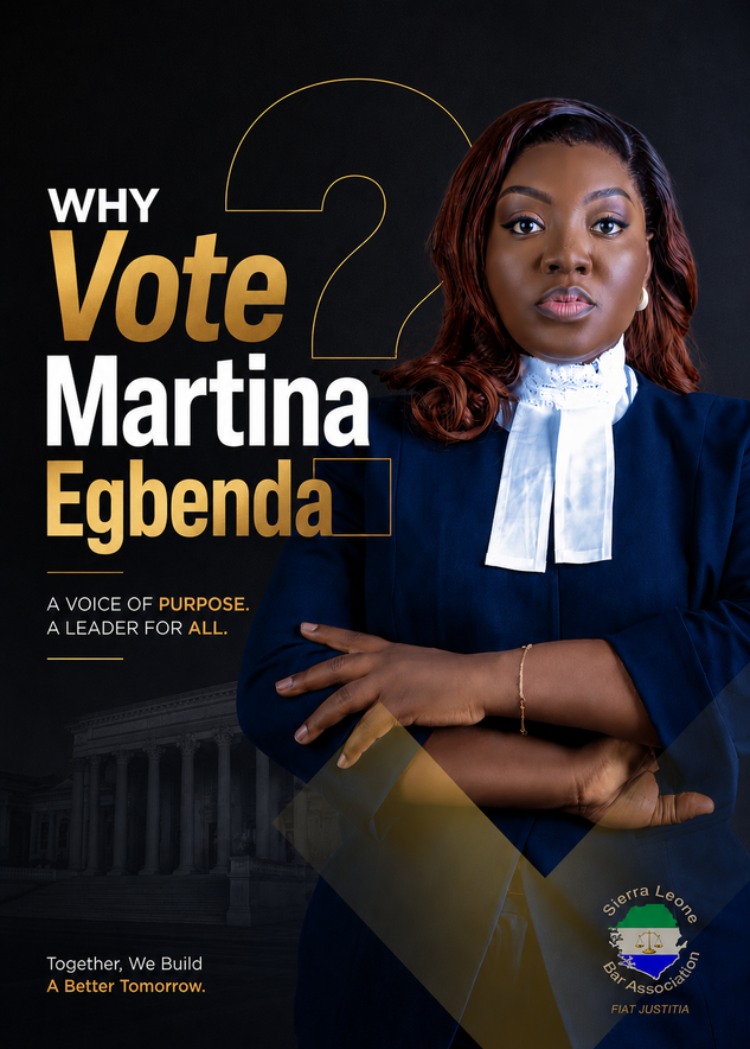
The day Martina Baindu Egbenda decided to contest for the Sierra Leone Bar Association presidency, the stage was already set even without anyone saying a word.
On that day, senior counsel in worn silk gowns, men and women who had argued cases before some of the younger lawyers were born. Their files were thick with precedent, their memories held the Bar’s unspoken rules.
On the left, young lawyers with tablets, WhatsApp groups, and new ideas about how justice could reach people who had never set foot in a courtroom.
For years, the two sides nodded politely past each other. “Experience” called “innovation” reckless. “Innovation” called “experience” slow. And in the middle, the Bar’s work stalled.
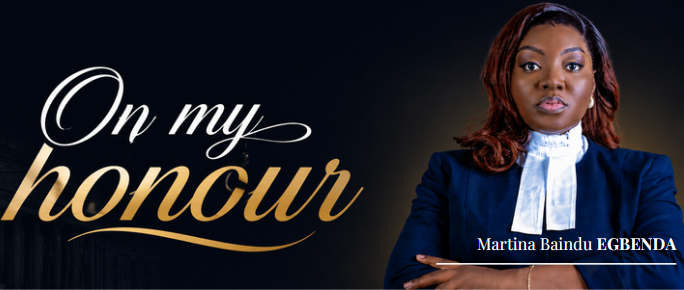
Martina Egbenda walked up without notes. She didn’t start with promises. She started with this:
“I, Martina Egbenda, present myself for service to the Bar with full awareness of the immense experience, institutional memory, and distinguished leadership that reside within our profession. I do so with humility, respect for our senior members, and a clear understanding that leadership of the Bar is not an exercise in personal ambition, but a solemn professional responsibility grounded in service, integrity, and fidelity to the rule of law.”
The space quieted. It wasn’t the kind of opening that flattered egos. It was the kind that reminded people why they became lawyers in the first place.
Her manifesto spoke of her own path—years spent in tough negotiations in Abuja, policy work in Geneva, and late nights drafting reforms that no one would read if they weren’t clear and fair. “My leadership journey has been tested in demanding professional and public spaces,” she said. “My pedigree, credibility, and commitment to excellence, good governance, institutional accountability, and national development have been demonstrated through service and sustained engagement at both national and international levels.”
But she didn’t stop there.
“I do not seek to lead by displacing experience, nor by resisting innovation. I seek to build a bridge between generations of lawyers—harnessing the wisdom, discipline, and institutional values of our senior colleagues while embracing the innovation, energy, and evolving perspectives of younger members of the profession.”
She picked up two things from the table: a leather-bound casebook from Senior Counsel Adebayo, who had practiced for 38 years, and a student’s prototype app that turned court dates into SMS reminders for rural clients.
“One holds the memory of what justice has been,” she said, holding the book.
“The other holds a glimpse of what justice can become,” she said, holding the phone.
Then she set them side by side.
In the months that followed, Martina didn’t make speeches. She made connections. She paired retired judges with young tech-savvy lawyers to redesign legal aid. She made the Bar’s finances public in plain language, so members could see where every Leone went. She insisted that every policy debate start with one question: Does this serve the member, the client, and the rule of law?
She said. “The Bar must remain a respected and independent institution capable of defending constitutionalism, protecting professional standards, advancing the administration of justice, and serving as a principled voice in national discourse. To do that, we must build a modern, responsive, transparent, and member-driven Association that is prepared for the future while grounded firmly in the noblest traditions of the legal profession.”
“Our collective strength lies not in division, but in unity of purpose, professional solidarity, and a common commitment to justice. One Bar. One Bar.”