By Hassan Solokoh Bockarie
Sierra Leone’s journey from a devastating civil war to a renewed commitment to justice, reconciliation and national cohesion stands as one of the country’s most significant post-war achievements. More than two decades after the guns fell silent, the nation continues to grapple with the legacy of a brutal 11-year conflict (1991–2002) while striving to build a future anchored in accountability and peace.
The civil war was marked by extreme violence and widespread human rights abuses, including rape, torture, the use of child soldiers, and the exploitation of women and girls as sex slaves and so-called “bush wives.” Beneath these atrocities lay deep-rooted structural problems like corruption, authoritarian governance, ethno-regional divisions, and the marginalization of young people and women—which ultimately fueled the descent into violence.
In the aftermath of the conflict, Sierra Leone adopted a comprehensive transitional justice framework aimed at confronting past abuses while laying the groundwork for lasting peace. Despite the fragility of the post-conflict environment, the country pursued a combination of criminal prosecutions, truth-telling mechanisms, limited reparations, institutional reforms and community-based reconciliation initiatives.
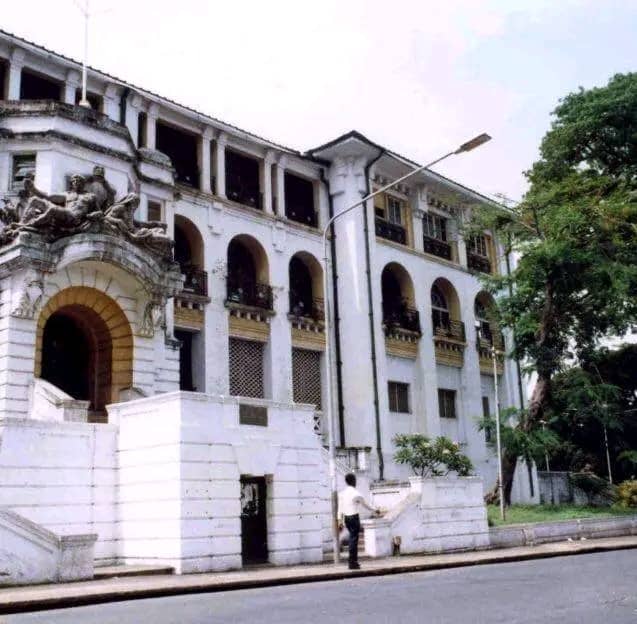
At the heart of this process was the Truth and Reconciliation Commission (TRC), which played a critical role in documenting the causes, patterns and consequences of the war. According to Patrick Fatoma, Outreach and Focal Person at the Sierra Leone Special Court, the TRC provided a vital platform for victims and perpetrators to engage, fostering reconciliation at both community and national levels. He noted that the Commission’s work accelerated governance reforms, reconstruction and rehabilitation, while producing an impartial historical record of the conflict and offering recommendations to prevent a recurrence of violence.
Legal practitioners have also underscored the centrality of justice in rebuilding a society shattered by war. Renowned lawyer Emmanuel Saffa Abdulai described justice as a cornerstone in restoring a collapsed state. He observed that the combined impact of the Special Court for Sierra Leone and the TRC was profound, as both institutions documented atrocities, promoted accountability and helped bring divided communities together. While acknowledging existing gaps, he emphasized that many Sierra Leoneans have experienced justice in meaningful ways.
Today, efforts to sustain peace and implement the TRC’s recommendations are being carried forward by the Independent Commission for Peace and National Cohesion (ICPNC). In its three-year report covering August 2021 to July 2024, the Commission outlined a concept note and research methodology focused on conflict transformation and state fragility. The initiative seeks to generate evidence-based strategies to support peacebuilding and address the underlying drivers of conflict. The ICPNC continues to engage government institutions, civil society organizations and international partners through high-level dialogues and consultations.
The importance of strengthening national justice systems was strongly emphasized in the TRC’s final report. It recommended that future post-conflict transitional justice arrangements should prioritize significant investment in domestic justice institutions, either instead of or alongside international tribunals, to investigate and prosecute human rights violations (TRC Report, Volume 2, Chapter 3, Paragraph 478).
Experts agree that preventing a return to conflict requires a clear understanding of its root causes. One of the TRC’s most enduring contributions remains its comprehensive report, which details the origins of the war, the nature of the violence and the structural weaknesses that enabled it. A former senior TRC staff member described the document as the most authoritative account of Sierra Leone’s conflict, offering citizens an opportunity to understand what went wrong and why the country endured more than a decade of violence.
The civil war left deep scars, with thousands killed and countless lives disrupted. Sierra Leone’s transitional justice process was designed to confront this painful legacy by addressing root causes, combating impunity and preventing a relapse into violence. While challenges remain, the country’s post-war justice experience continues to provide a foundation for accountability, reconciliation and the pursuit of sustainable peace.
This article is produced with support from Media Reform Coordinating Group (MRGC) through Africa Transitional Justice Legacy Fund – ATJLF project “On engaging the media and communities to change the narrative on Transitional Justice (TJ) issues in Sierra Leone.”