By Mohamed Konneh
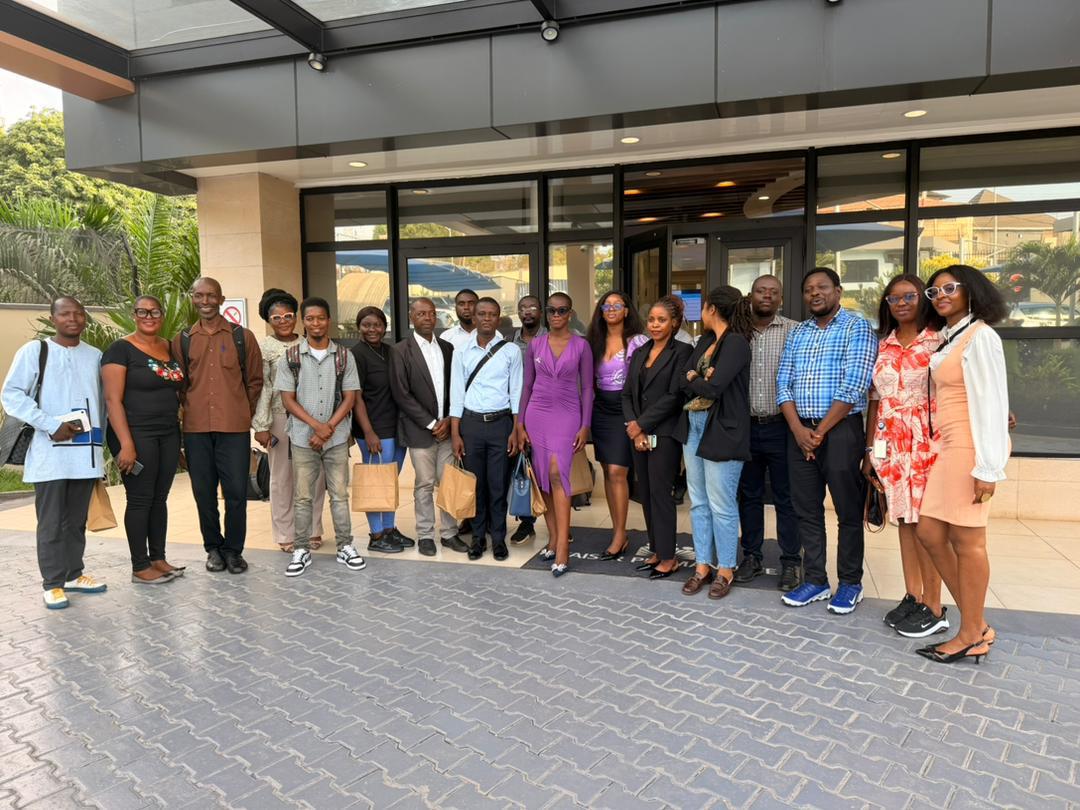
The World Bank on Wednesday 25th March 2025 engaged media practitioners on driving Sierra Leone’s environmental Agenda and circular Economy. The workshop held at the World Bank office in Freetown focusses on the Role of Media in Driving the Environmental Agenda and Circular Economy,” part of Go Circular Salone 2026 under the theme: “Green Actions, New Jobs.”
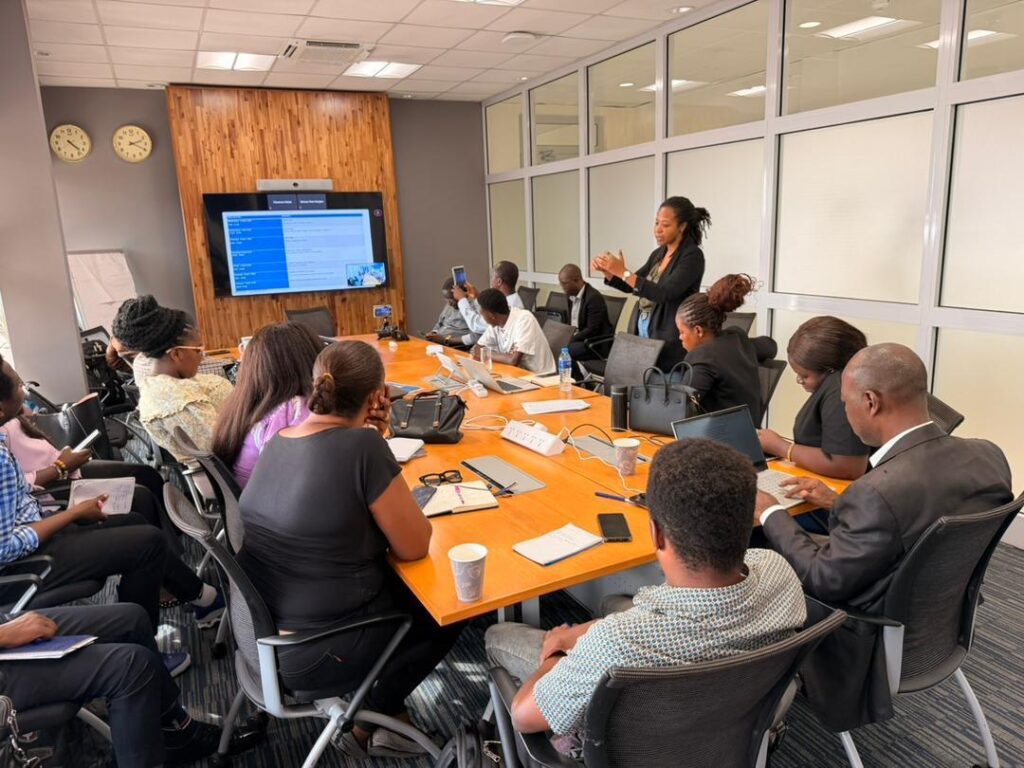
The engagement was also geared towards equipping the newsroom with practical tools, data, and story angles on plastic pollution, circular solutions, and green jobs.
As part of its activities the project collaborate with government, communities, and development partners to amplify public awareness and accountability.
It is to also help shape media action plan supporting PROBLUE, SLEDP, and RUSL-P initiatives.
Giving the background of the workshop, Amira Hallaby of the World Bank noted that Sierra Leone generates around 130,000 tons of plastic waste annually; over half leaks into the environment, and only 7,200 tons are properly recycled.
She said tourism uses 42 million single-use plastics yearly; only ~6 percent are recycled.
‘’The National Plastics and Plastic Waste Management Policy (March 2023) provides a foundation for change – the media is pivotal in driving understanding and behavior.
‘’About Go Circular Salone 2026: A joint effort of the Government of Sierra Leone and the World Bank-financed Sierra Leone Economic Diversification Project (SLEDP), working with RUSL-P and supported by PROBLUE, now in its third year of nationwide plastic-reduction activities.’’
Partners working on this project include the Ministry of Tourism and Cultural Affairs; Ministries of Finance, Environment and Climate Change, Trade and Industry; SLEDP; NTB; EPA; Freetown City Council and the World Bank Group PROBLUE team.
She continue that the Go Circular Week was implemented to raising awareness about reducing plastic pollution and promoting sustainable use of plastic waste.
Harold Williams making his presentation on Media practitioners going circular, noted that population explosion, garbage diversification, inadequate disposal technique including no waste separation, no composition, inadequate landfill, and the public knowledge deficit are among the many challenges.
‘’Poor practice and policy ineffectiveness remains a big challenge also and that poor fiscal management, lack of public private partnership, denial of policy ownership, denial of citizen’s obligation and gaps in law enforcement remain difficulties faced.
Mr. Williams also asked how media can address these shortfall.
‘’We experience similar constraints as all other sectors. So how do we overcome them, in the media landscape, he asked.
Mr. Williams noted that learning, innovative engagement skills, master social media and cyber space including diversify engagement skills are the things needed for the journalists to strive.
Rosaline Heaven Alpha, Communication Specialist, at the Worlds Bank making her presentation on the Social Media to drive Sierra Leone’s environmental issues said there is every need to understand the digital landscape.
She gave a statistical data of people on social media noting that Sierra Leone has about 8.82 million population and of that amount about 1.85M are internet users, 1,3M social media users, 8.9 mobile connections.
This she said are all approximations and that the environmental reality is the fact that plastic waste is everywhere.
‘’Poor waste management, flooding and climate change risk, threat to health and livelihood challenges people grappled with daily.
Ms Alpha asked why social media matters, noting that it matters because it is fast and has wide reach, youth-driven platforms, low-cost communication, and that it build movements.
She said social media is not just for entertainment, it shapes opinion, behaviour and policies and that it can turn awareness into action.
On contents types, she said short videos on Instagram, facdebook reels and tiktok, documentary videos on youtube, blogs, stories, message on newspaper, wordpress, whatsapp and photos on Instagram and facebook are platforms to send stories.
The World Bank Communication Specialist noted that in driving the circular economy there is need to promote recycling, highlight local innovators, encourage reuse culture and turn waste into income.