Agriculture is increasingly taking centre stage in Sierra Leone’s rural development conversation, with the Jagaban Rural Agriculture Foundation expanding grassroots activities aimed at strengthening farming communities, improving food production, and supporting farmers across several districts.
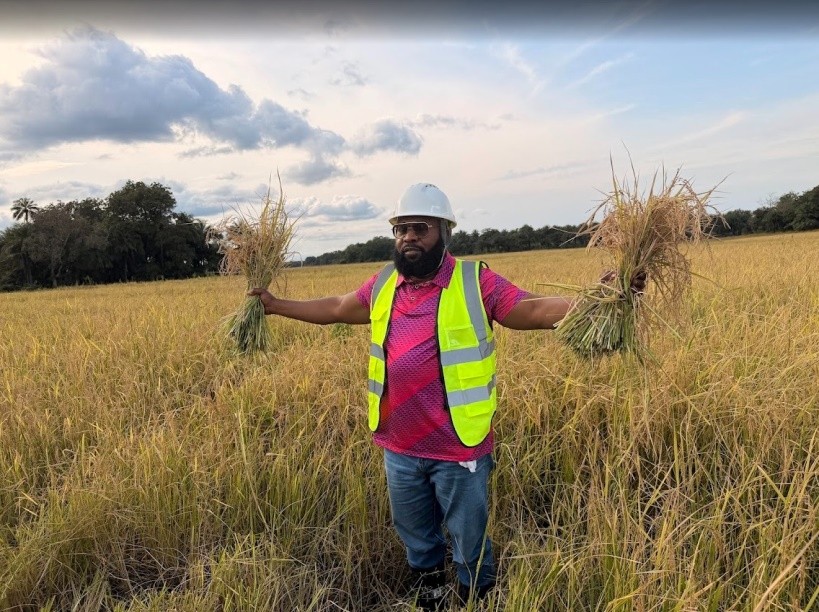
Under the leadership of Mohamed Omodu Kamara, popularly known as Jagaban, a leading flagbearer aspirant of the All People’s Congress party, the foundation has established an agricultural development programme focused on placing farmers and rural communities at the heart of efforts to improve food security, increase agricultural productivity, and strengthen rural livelihoods.
The foundation says it has mobilised more than 2,000 farmers across six districts: Western Rural, Bo, Tonkolili, Moyamba, Bombali, and Port Loko, where the foundation is headquartered. Jagaban’s approach is built around a simple but ambitious message: “Let’s hold agriculture with two hands to feed our nation.”
The foundation’s activities include supporting farmers with agricultural inputs, encouraging cooperative farming, promoting crop diversification, and introducing improved and sustainable farming practices. For many rural communities, access to quality agricultural inputs remains a major challenge. The foundation says its intervention is helping farmers gain access to essential resources, including quality seeds, fertiliser, farming tools, and technical support, with the broader objective of increasing productivity, improving farm yields, and strengthening household livelihoods.
Activities carried out under the programme include farmers working in agricultural fields, participating in crop production and harvesting, and engaging with agricultural workers and community members across different locations. Beyond the distribution of agricultural inputs, the foundation says it is promoting a community-driven model in which farmers can work collectively, share resources, diversify their crops, and adopt farming practices that help protect soil quality and improve long-term productivity.
Jagaban emphasises that the initiative is not focused solely on immediate agricultural production but is also aimed at building stronger farming communities capable of sustaining agricultural activities beyond individual interventions. Supporters of grassroots agricultural initiatives argue that strengthening local production can contribute to stronger rural economies, create opportunities for young people, empower women involved in farming and agricultural trading, and reduce communities’ dependence on imported food.
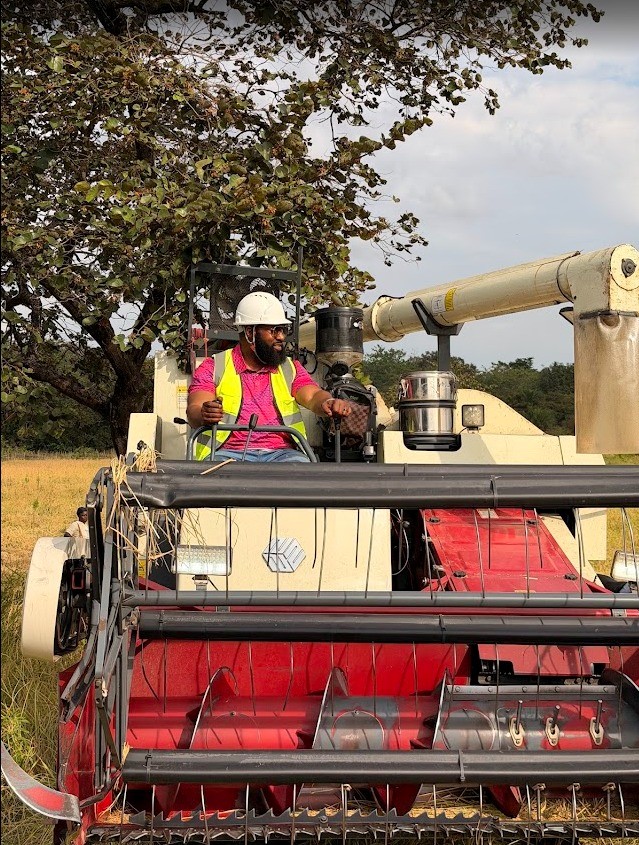
The activities of the foundation come at a time when food security, agricultural productivity, and rural economic development remain important issues in Sierra Leone. With agriculture providing livelihoods for a large section of the population, investments at the community level can have implications far beyond individual farms. Increased agricultural production can support local markets, improve household incomes, create employment opportunities, and contribute to greater food availability.
The foundation’s growing presence across six districts therefore represents an effort to connect agricultural support with broader rural development and economic empowerment. For Jagaban and the foundation, the stated vision goes beyond cultivating individual farms and is centred on creating a culture in which agriculture is viewed not merely as a means of subsistence, but as a pathway to economic empowerment, food security, and national development.
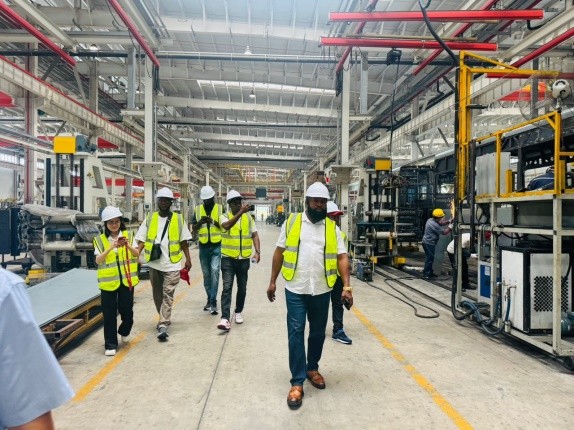
From rice fields and vegetable farms to community-based agricultural activities, the foundation is seeking to build a network of farmers equipped to participate more effectively in Sierra Leone’s food-production system. As the programme expands, the real measure of its success will ultimately be reflected in higher farm productivity, stronger farmer incomes, sustainable agricultural practices, increased food production, and improved food security within the communities it serves.
For the thousands of farmers already involved, however, the message remains clear: agriculture is not simply a means of survival; it can be a foundation for rural transformation, economic empowerment, and national development.