By Mohamed Konneh
Mount Sugar Loaf overlooking the city Freetown is home to the precious Pink Crabs commonly called ‘Koso Pink’. This quiet mountain play host to not only sound of dry leafs during the dries but fresh green leaves also during the rains. The smell of fresh leaves at down and the clicking sound remains attributes of the mountain. And if you hike the old Portuguese Steps before sunrise, you’ll hear it – a soft clicking, like rain on dry leaves. That’s the sound of pink land crabs making their journey.
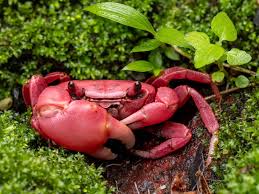
No one knows their scientific name. Locals call them “Koso pinks” – koso meaning crab in Krio. They’re not big. About the size of your palm. Their shells are a pale rose, almost transparent at the edges, with bright orange legs. They only come out in the wet season, between June and September, and only on Mount Sugar Loaf’s northern slope where the soil stays damp and the air smells of wild ginger.
For years, nobody noticed them. But due to housing need as pressure continue to mount on available land irrespective of where it is located. As Freetown grew, people started building higher up the mountains. Bulldozers cut into the crab burrows to make roads. Each burrow destroyed meant a whole family of crabs lost.
Plastic waste is another threat to the existence of these crabs. Tourists, hikers and picnickers left bottles and polythene bags anytime they take a walk or visit this mountain. The crabs would crawl inside for shade and get trapped. The sun heats the plastic and they cook alive. “Bush meat” trade is another threat. According to locals pink crabs taste sweet. Traders started collecting sacks of them at night with torchlights to sell at Lumley Market. One sack of pink crabs containing 200 goes for US$3. At that rate, they’d be gone in 2 seasons if nothing is done to protect them.
Madam Flora Weaver a, a 67-year-old woman and resident of Regent along the mountain base, was the first to speak up. “These crabs came here before our grandfathers,” she told me during my visit to the mountain. “When the pink crabs disappear, the rain gets confused. That’s what my mother said.”
In 2025, a small group of students from Fourah Bay College, park rangers from Tacugama, and 12 community volunteers from Regent village came together and start talking about protecting the crabs. They called themselves “Team Koso Pink”. No funding, just determination. Every Saturday at 5am, 8 volunteers crawled the slope with phone torches and chalk. They marked 1,340 active burrows with GPS pins. That map became proof the crabs lived only here. You can’t protect what you can’t show exists.
3 students stood at the main trailhead every weekend with a big sign. “Protect the Pinks. Carry your trash down.” They gave out free cloth bags. Shaming didn’t work. Gifts did. Within 2 months, plastic in the crab zone dropped by 60%.
Community patrols also started and volunteers took night shifts. Not to arrest anyone – they don’t have that power. Just to shine lights and talk. Dem crab dem na we heritage.” Most collectors left when they saw locals watching. The ones who stayed were invited to a meeting.
Just recently, the community elders have negotiated with the Ministry of Lands for a 5-acre “no-build zone” on the steepest part of the slope. Too rocky for houses anyway. They planted ginger and wild yam around it – plants the crabs eat. Hand-painted signs went up: “Pink Crab Sanctuary. We all benefit when nature wins.”
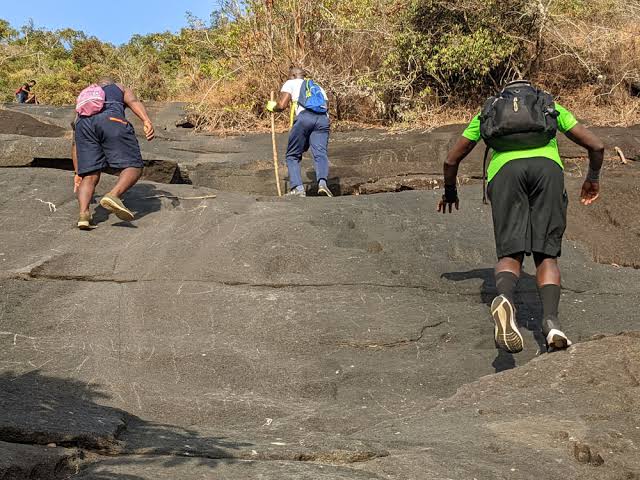
Mount sugar loaf is among Sierra Leone’s touristic sites. Tourists, hikers, picnickers who visit the mountain will take photos and write about the crabs. On one of the slope it is written “Koso pink, koso pink, nor lef we mountain sink.”
However, the biggest change wasn’t the patrols. It was Madam Flora’s idea. How many pink crabs exists is still unknown. But the Ministry of Environment now lists the pink crab as a “locally protected species” for Sugar Loaf. Not national law yet, but it’s a start.
Pink crabs don’t do much. They don’t pollinate crops. They don’t cure disease. But they aerate the soil on Sugar Loaf. Their burrows let rain soak in instead of running straight down and flooding the city. Protecting them means protecting Freetown from erosion and floods.
And there’s this: Freetown is losing its green spaces fast. If a tiny pink crab can make people stop and care about one slope, maybe we can care about the whole mountain.
Today, if you climb Sugar Loaf at dusk during the rains, you’ll see them. Hundreds of little pink shells moving sideways through the grass, heading for the stream to breed. The community people don’t cheer. They just watch quietly. Because protection isn’t loud. It’s showing up, every wet season.
Don’t pick or buy them at markets. If there’s no demand, there’s no trade. Take your trash down Sugar Loaf. One plastic bag kills.
Join the annual “Koso Pink Count” every July. Tell the story. The more people know the crabs exist, the harder they are to erase.
Mount Sugar Loaf watched over Freetown for 500 years. The pink crabs have been watching the mountain even longer. Now it’s our turn to watch over them.